What is Creative Ops? A Practical Guide to Building a More Efficient Creative Workflow
Documentation- FROM THE WORK
Yelp: From 2 to 30 - Building a Creative Operating System at Scale
From The WorkIAC - One Lead, Three Brands: The Internal Agency Model
From The WorkAI as a Creative Co-Pilot: A Practical Guide
From The WorkThe System Nobody Used
From The WorkHow I Built an AI-Human Creative System (And What Actually Worked)
From The WorkLiving Like Kevin: How a 25-Year-Old Film Became a $500K Revenue Campaign
From The WorkWhy UX Writing is the Most Important Element of Narrative Design in Your Product
From The WorkWhy Internal Brand Strategy is Your Most Powerful Growth Engine
From The WorkWhy "Data-Driven" is Killing Your Creativity (And Why "Data-Informed" is the Solution)
From The WorkWhat the Level Design of Dark Souls Can Teach Us About Employee Onboarding
From The WorkWhat the Architectural Principles of Tadao Ando Can Teach Us About UX Design
From The WorkWhat is Creative Ops? A Practical Guide to Building a More Efficient Creative Workflow
From The WorkWhat is "Radical Empathy"? (And Why It's the Most Undervalued Asset in Business and Art)
From The WorkWhat Hiring Managers in Product and UX Really Want to See in a Creative's Portfolio
From The WorkUX Writing is More Than Microcopy—It's Narrative Design
From The WorkThe Storytelling Genius of Video Game "Lore": What Brands Can Learn from Elden Ring
From The WorkThe Rise of the Full-Stack Creative: Why Marketing Teams Need to Rethink Creative Roles
From The WorkThe Psychology of a Perfect Pitch: How to Frame Your Story to Speak Directly to the Primal Brain
From The WorkThe Perfect Creative Brief Template (And Why It Will Save Your Next Project)
From The WorkThe Manifesto of the Full-Stack Creative
From The WorkThe Full-Stack Triumph of Barbie: Narrative, Marketing, and Product
From The WorkThe Full-Stack Deconstruction of a Hit K-Pop Group: A Case Study in Narrative, Product, and Community
From The WorkThe Empathetic Leader's Playbook: How to Build Resilient and Innovative Teams
From The WorkThe Complete Brand Storytelling Framework: A Step-by-Step Guide
From The WorkThe Art of the Post-Mortem: A Creative Leader's Guide to Learning from Wins and Losses
From The WorkThe Anatomy of a Flop: A Full-Stack Post-Mortem of Quibi
From The WorkThe 7 Essential Tools for Creative Leaders: A Full-Stack Toolkit
From The WorkThe 30M Impression Campaign: How Storytelling and Earned Media Turned a Brand Activation into a Cultural Moment
From The WorkThe "Unreliable Narrator": A Deeply Creative Trope You Should Be Using in Your Brand Marketing
From The WorkThe "Second Brain" for a Full-Stack Creative: My System for Capturing, Connecting, and Creating Ideas
From The WorkThe "GTM" is Your Third Act: Applying Narrative Structure to Your Go-to-Market Plan
From The WorkThe "Creative Capital" Framework: How to Allocate Your Time and Energy Like a Venture Capitalist
From The WorkThe "Chief Narrative Officer": Why This Will Be the Most Important C-Suite Role in the Next Decade
From The WorkScaling Creative Operations at Yelp: The Systems That Made It Possible
From The WorkNarrative Marketing vs. Performance Marketing: Why Story-Driven Campaigns Win
From The WorkMoonbeam: 0 to Acquisition — Building a TikTok-Style Podcast App from Beta to Exit
From The WorkLeader's Guide to Managing Freelancers and Creative Agencies
From The WorkHow to Lead a High-Performing Remote Creative Team
From The WorkAvenues: The World School - Building a Global Brand System Across Two International Campuses
From The WorkHow to Build a Brand Voice from Scratch: A Startup Case Study
From The WorkHow to Apply Product Thinking to Your Creative Process
From The WorkHow We Used User Journey Design to Boost a Creator Platform’s Retention by 30%
From The WorkHow We Used Narrative to Increase Audience Reach by 40%: An IAC Case Study
From The WorkHow We Drove 30 Million Impressions for Yelp’s National “Servies” Campaign
From The WorkHow We Built a Creative Operating System to Increase Campaign Efficiency by 25% at Yelp
From The WorkHow We Aligned Creative and Product to Build a Better Content Pipeline at Yelp
From The WorkFirst Principles Thinking for Creatives: How to Deconstruct Any Story or Brand Problem to its Core
From The WorkDeconstructing Haiku: How the 5-7-5 Structure Can Revolutionize Your UX Microcopy
From The WorkCreative Strategy Isn't Just for Agencies—It's a Core Business Function
From The WorkAn Agile Creativity Framework: How to Run Your Creative Team Like a Product Squad
From The WorkAI as a "Creative Co-Pilot": A Practical Guide for Agencies and Studios
From The WorkA Leader's Guide to Managing Freelancers and Creative Agencies
From The WorkGTM Strategy Case Study: How We Launched a Startup MVP
From The Work5 Enduring Lessons from a Decade of Leading Brand Campaigns
From The WorkWorld-Building-as-a-Service: The Next Big Agency Model
From The Work
 BALANCE INMOTION FORA BETTER LIFEYelp: From 2 to 30 - Building a Creative Operating System at ScaleBALANCE INMOTION FORA BETTER LIFEIAC - One Lead, Three Brands: The Internal Agency ModelBALANCE INMOTION FORA BETTER LIFEAI as a Creative Co-Pilot: A Practical GuideBALANCE INMOTION FORA BETTER LIFEThe System Nobody UsedBALANCE INMOTION FORA BETTER LIFEHow I Built an AI-Human Creative System (And What Actually Worked)BALANCE INMOTION FORA BETTER LIFELiving Like Kevin: How a 25-Year-Old Film Became a $500K Revenue CampaignBALANCE INMOTION FORA BETTER LIFEWhy UX Writing is the Most Important Element of Narrative Design in Your ProductBALANCE INMOTION FORA BETTER LIFEWhy Internal Brand Strategy is Your Most Powerful Growth EngineBALANCE INMOTION FORA BETTER LIFEWhy "Data-Driven" is Killing Your Creativity (And Why "Data-Informed" is the Solution)BALANCE INMOTION FORA BETTER LIFEWhat the Level Design of Dark Souls Can Teach Us About Employee OnboardingBALANCE INMOTION FORA BETTER LIFEWhat the Architectural Principles of Tadao Ando Can Teach Us About UX DesignBALANCE INMOTION FORA BETTER LIFEWhat is Creative Ops? A Practical Guide to Building a More Efficient Creative WorkflowBALANCE INMOTION FORA BETTER LIFEWhat is "Radical Empathy"? (And Why It's the Most Undervalued Asset in Business and Art)BALANCE INMOTION FORA BETTER LIFEWhat Hiring Managers in Product and UX Really Want to See in a Creative's PortfolioBALANCE INMOTION FORA BETTER LIFEUX Writing is More Than Microcopy—It's Narrative DesignBALANCE INMOTION FORA BETTER LIFEThe Storytelling Genius of Video Game "Lore": What Brands Can Learn from Elden RingBALANCE INMOTION FORA BETTER LIFEThe Rise of the Full-Stack Creative: Why Marketing Teams Need to Rethink Creative RolesBALANCE INMOTION FORA BETTER LIFEThe Psychology of a Perfect Pitch: How to Frame Your Story to Speak Directly to the Primal BrainBALANCE INMOTION FORA BETTER LIFEThe Perfect Creative Brief Template (And Why It Will Save Your Next Project)BALANCE INMOTION FORA BETTER LIFEThe Manifesto of the Full-Stack CreativeBALANCE INMOTION FORA BETTER LIFEThe Full-Stack Triumph of Barbie: Narrative, Marketing, and ProductBALANCE INMOTION FORA BETTER LIFEThe Full-Stack Deconstruction of a Hit K-Pop Group: A Case Study in Narrative, Product, and CommunityBALANCE INMOTION FORA BETTER LIFEThe Empathetic Leader's Playbook: How to Build Resilient and Innovative TeamsBALANCE INMOTION FORA BETTER LIFEThe Complete Brand Storytelling Framework: A Step-by-Step GuideBALANCE INMOTION FORA BETTER LIFEThe Art of the Post-Mortem: A Creative Leader's Guide to Learning from Wins and LossesBALANCE INMOTION FORA BETTER LIFEThe Anatomy of a Flop: A Full-Stack Post-Mortem of QuibiBALANCE INMOTION FORA BETTER LIFEThe 7 Essential Tools for Creative Leaders: A Full-Stack ToolkitBALANCE INMOTION FORA BETTER LIFEThe 30M Impression Campaign: How Storytelling and Earned Media Turned a Brand Activation into a Cultural MomentBALANCE INMOTION FORA BETTER LIFEThe "Unreliable Narrator": A Deeply Creative Trope You Should Be Using in Your Brand MarketingBALANCE INMOTION FORA BETTER LIFEThe "Second Brain" for a Full-Stack Creative: My System for Capturing, Connecting, and Creating IdeasBALANCE INMOTION FORA BETTER LIFEThe "GTM" is Your Third Act: Applying Narrative Structure to Your Go-to-Market PlanBALANCE INMOTION FORA BETTER LIFEThe "Creative Capital" Framework: How to Allocate Your Time and Energy Like a Venture CapitalistBALANCE INMOTION FORA BETTER LIFEThe "Chief Narrative Officer": Why This Will Be the Most Important C-Suite Role in the Next DecadeBALANCE INMOTION FORA BETTER LIFEScaling Creative Operations at Yelp: The Systems That Made It PossibleBALANCE INMOTION FORA BETTER LIFENarrative Marketing vs. Performance Marketing: Why Story-Driven Campaigns WinBALANCE INMOTION FORA BETTER LIFEMoonbeam: 0 to Acquisition — Building a TikTok-Style Podcast App from Beta to ExitBALANCE INMOTION FORA BETTER LIFELeader's Guide to Managing Freelancers and Creative AgenciesBALANCE INMOTION FORA BETTER LIFEHow to Lead a High-Performing Remote Creative TeamBALANCE INMOTION FORA BETTER LIFEAvenues: The World School - Building a Global Brand System Across Two International CampusesBALANCE INMOTION FORA BETTER LIFEHow to Build a Brand Voice from Scratch: A Startup Case StudyBALANCE INMOTION FORA BETTER LIFEHow to Apply Product Thinking to Your Creative ProcessBALANCE INMOTION FORA BETTER LIFEHow We Used User Journey Design to Boost a Creator Platform’s Retention by 30%BALANCE INMOTION FORA BETTER LIFEHow We Used Narrative to Increase Audience Reach by 40%: An IAC Case StudyBALANCE INMOTION FORA BETTER LIFEHow We Drove 30 Million Impressions for Yelp’s National “Servies” CampaignBALANCE INMOTION FORA BETTER LIFEHow We Built a Creative Operating System to Increase Campaign Efficiency by 25% at YelpBALANCE INMOTION FORA BETTER LIFEHow We Aligned Creative and Product to Build a Better Content Pipeline at YelpBALANCE INMOTION FORA BETTER LIFEFirst Principles Thinking for Creatives: How to Deconstruct Any Story or Brand Problem to its CoreBALANCE INMOTION FORA BETTER LIFEDeconstructing Haiku: How the 5-7-5 Structure Can Revolutionize Your UX MicrocopyBALANCE INMOTION FORA BETTER LIFECreative Strategy Isn't Just for Agencies—It's a Core Business FunctionBALANCE INMOTION FORA BETTER LIFEAn Agile Creativity Framework: How to Run Your Creative Team Like a Product SquadBALANCE INMOTION FORA BETTER LIFEAI as a "Creative Co-Pilot": A Practical Guide for Agencies and StudiosBALANCE INMOTION FORA BETTER LIFEA Leader's Guide to Managing Freelancers and Creative AgenciesBALANCE INMOTION FORA BETTER LIFEGTM Strategy Case Study: How We Launched a Startup MVPBALANCE INMOTION FORA BETTER LIFE5 Enduring Lessons from a Decade of Leading Brand CampaignsBALANCE INMOTION FORA BETTER LIFEWorld-Building-as-a-Service: The Next Big Agency ModelPOINT OF VIEW
- Framework
Most creative teams don't have a talent problem. They have a systems problem. The work that comes out of a well-resourced creative team is often good. The process it moves through to get there — the intake, the briefing, the review cycles, the handoffs, the approvals — is frequently a mess that costs the team more time, energy, and goodwill than the creative work itself.
Creative Operations is the discipline that fixes that. Not by adding bureaucracy or making the process feel like a corporate compliance exercise, but by designing the infrastructure that lets creative people spend more of their time doing the work they're actually good at. Less time chasing briefs. Less time in status meetings. Less time explaining what happened to last week's request. More time making things worth making.
The three pillars below are where most of the practical value lives. If you implement nothing else from this piece, implement these.

A great operational system doesn't kill creativity; it unleashes it.
The Creative Ops Engine
Why Most Creative Teams Are Built to Fail
Most creative teams aren't teams; they're a collection of talented individuals in a state of perpetual reaction. They are drowning in what I call "The Three C's of Creative Chaos":
- Chaotic Intake: Requests come from everywhere—Slack DMs, hallway conversations, last-minute emails. There’s no single door, so the team is constantly being pulled in a dozen different directions. Briefs are incomplete, priorities are unclear, and the person who shouts the loudest gets the attention.
- Cloudy Communication: Feedback is scattered, stakeholders appear out of nowhere in the final hour with game-changing notes, and no one is quite sure which version of the file is the "final_final_v3_for_real_this_time.jpg." This leads to endless, soul-crushing rework.
- Constant Context-Switching: Without a clear system, creatives are forced to be their own project managers. They spend a huge portion of their day chasing down assets, clarifying feedback, and providing status updates, instead of doing the deep, focused work they were hired for.
A Creative Ops system is designed to systematically eliminate these three chaos agents.
The Creative Ops Engine: The Three Pillars of an Efficient System
A world-class Creative Ops system is built on three pillars. You don't need expensive software to start; you just need a commitment to the process.
Pillar 1: The Single Front Door (The Intake System)
The first and most important step is to close all the side doors. There must be one, and only one, way to submit a request to the creative team.
- The Tool: This can be a simple Google Form, a Jira ticket, a dedicated Asana project, or a service like Trello. The tool is less important than the rule.
- The "Strategic Brief" as the Key: The price of admission through this front door is a completed Strategic Brief. This is a non-negotiable requirement. The brief must answer the core questions before it can be accepted by the team:
- What is the business objective?
- Who is the target audience?
- What is the single most important message?
- What does success look like (the primary KPI)?
- The Triage Process: Designate one person (a Creative Producer or Project Manager) to be the "gatekeeper" of the front door. Their job is to review all incoming briefs, reject any that are incomplete, and work with the stakeholder to clarify the request before it ever reaches a creative's desk.
How this helps: This simple pillar immediately eliminates chaotic intake. It forces your partners to think strategically before they make a request, and it protects your team from half-baked, urgent-but-not-important fire drills.
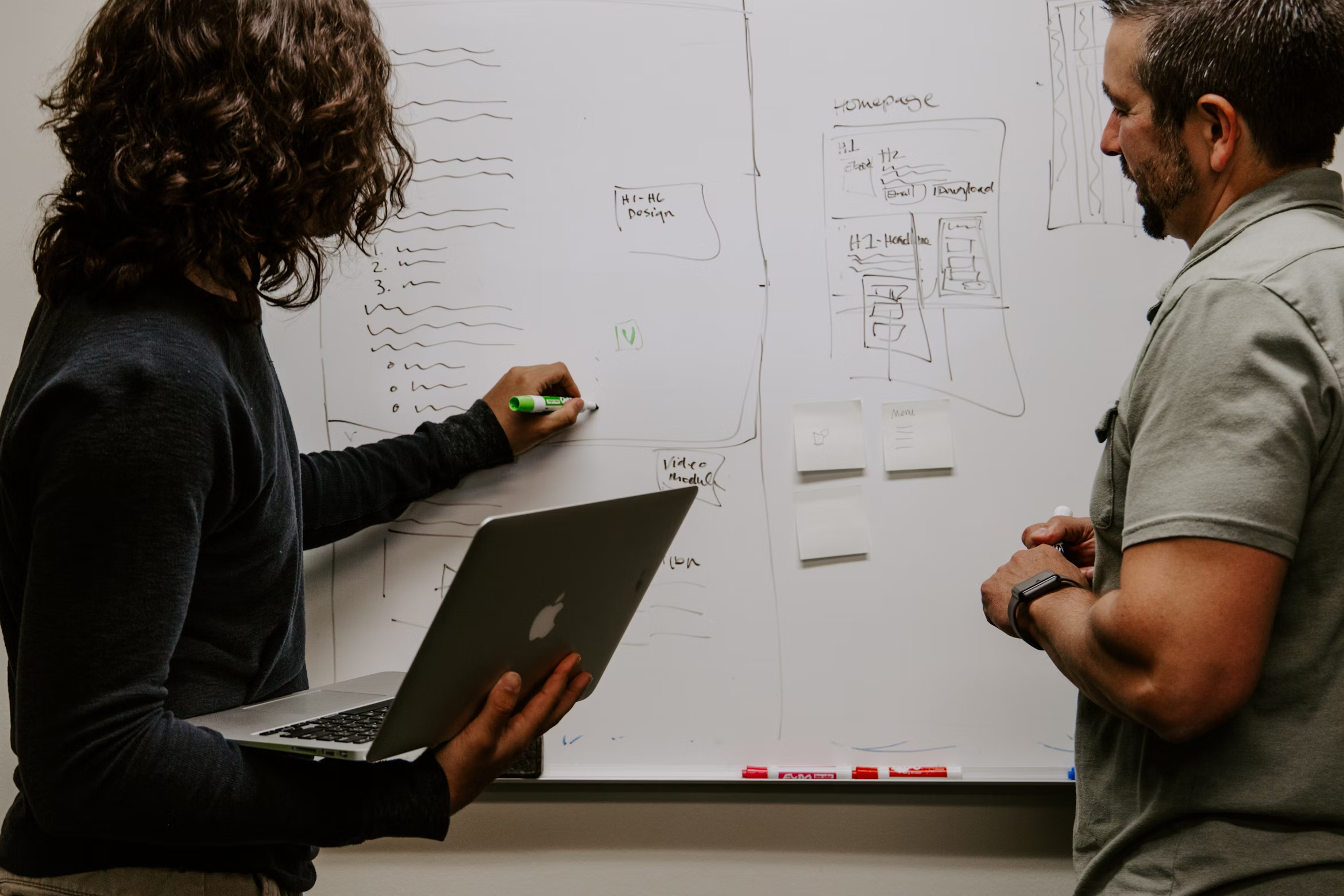
Pillar 2
The Single Source of Truth (The Project Hub)
Once a project is accepted, it must live in a single, centralized location that is accessible to all stakeholders. This is your project hub, and it is the antidote to cloudy communication.
- The Tool: A project management tool like Asana, Notion, Trello, or Jira is essential here. The goal is to choose one and get universal buy-in.
- The "Project Card" as the Hub: Every project gets a single "card" or "page" in the system. This card is the home for everything related to that project:
- The final, approved Strategic Brief.
- A link to the folder with all relevant assets.
- A clear timeline with key milestones and deadlines.
- Designated owners for each task.
- A dedicated space for all feedback and comments.
- The Rules of Engagement:
- If it's not in the hub, it doesn't exist. This is the most important rule. All communication, feedback, and approvals must happen on the project card. This kills the endless email chains and Slack DMs.
- Clear Statuses and Owners: Every task must have a clear status (e.g., To Do, In Progress, In Review, Approved) and a single person who is responsible for the next action.
How this helps: The project hub creates radical clarity. It eliminates the "who's got the ball?" problem. Stakeholders can self-serve status updates by simply looking at the project board, which frees up your creatives from having to constantly provide them. It makes the entire process transparent and accountable.
Pillar 3
The Rhythms of Review (The Feedback & Cadence System)
The final pillar is about creating a predictable rhythm for the work itself. This is how you eliminate constant context-switching and create space for deep, focused creative time.
- The System: You implement a series of recurring, structured meetings and "no-meeting" blocks.
- The Key Rituals:
- The Weekly "Intake & Triage" Meeting (Monday, 30 mins): The Creative Ops lead meets with key stakeholders to review all new briefs submitted through the "Front Door." They prioritize the week's work and give stakeholders clear timelines. Creatives do not attend this meeting.
- The Creative "Kickoff": Once a project is prioritized, a brief kickoff is held with the assigned creative to ensure they understand the goals and can ask questions.
- The "Creative Review" Cadence: Establish a set time for creative reviews (e.g., Tuesdays and Thursdays at 2 PM). Stakeholders know that this is when they will see work and be expected to provide consolidated, written feedback in the project hub. This ends the ad-hoc "can you just take a quick look at this?" interruptions.
- "Maker Days" (No-Meeting Blocks): Protect your creatives' most valuable resource: long, uninterrupted blocks of time. Designate specific days or afternoons as "Maker Days" where no internal meetings can be scheduled. This allows for the deep focus required for high-quality creative work.
How this helps: This system creates a predictable, professional rhythm. It respects the creative process by building a structure around it, protecting your team from chaos and allowing them to do their best work.
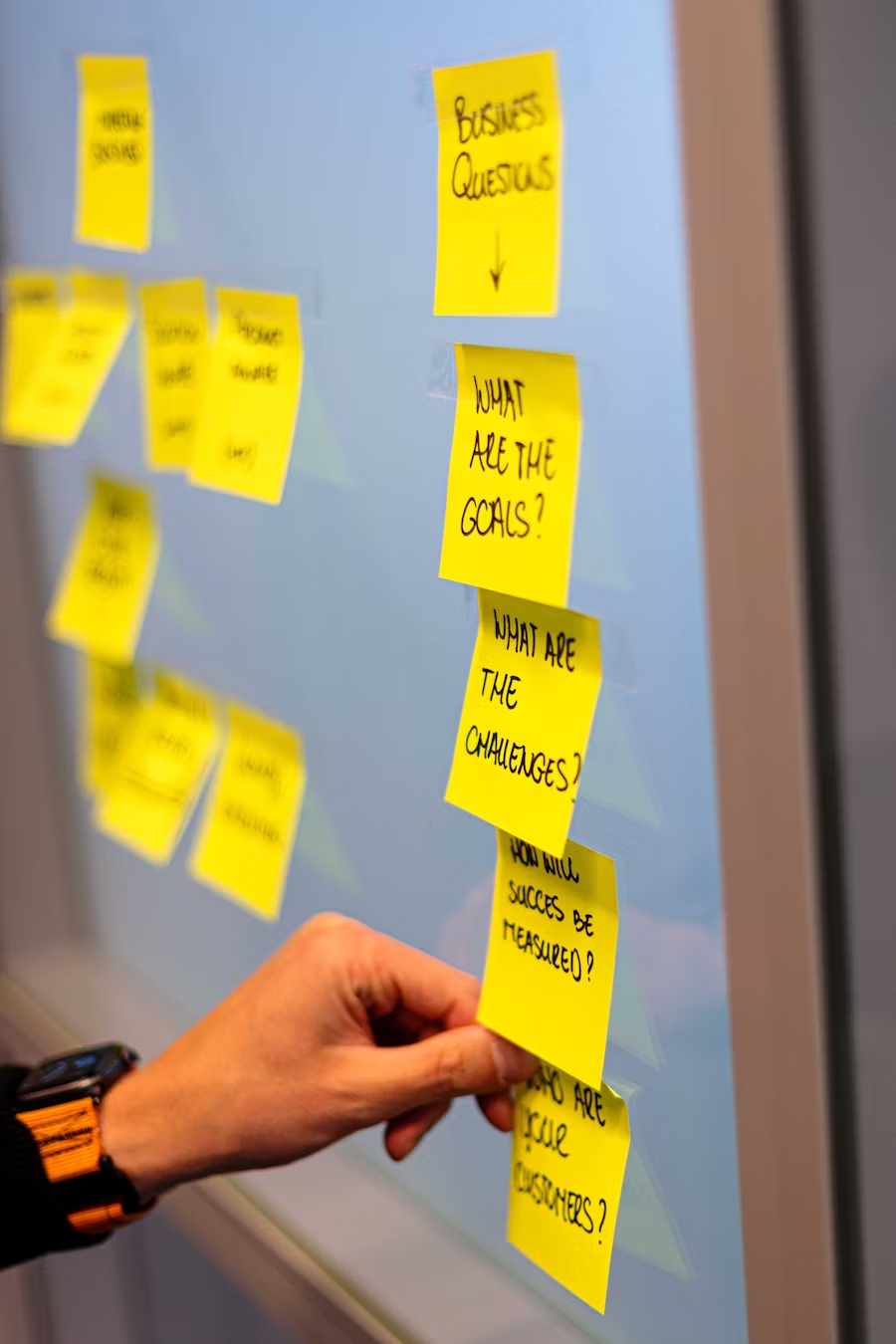
If it's not in the hub, it doesn't exist. This is the most important rule.
Putting It All Together
The Virtuous Cycle
When you combine these three pillars—The Single Front Door, The Single Source of Truth, and The Rhythms of Review—you create a virtuous cycle.
Better briefs from the Intake System lead to less rework. Clearer communication in the Project Hub leads to faster approvals. Protected focus time from the Rhythm System leads to higher quality creative. This higher quality work delivers better results, which in turn earns the creative team more trust and a more strategic seat at the table, leading to even better, more strategic briefs.
Building a Creative Ops system is the most powerful investment you can make in your team's success and sanity. It's the unseen architecture that allows brilliant ideas to be built, shipped, and scaled, not just dreamed of. It’s how you stop being a reactive service and start being an engine for growth.