The Perfect Creative Brief Template (And Why It Will Save Your Next Project)
Documentation- FROM THE WORK
Yelp: From 2 to 30 - Building a Creative Operating System at Scale
From The WorkIAC - One Lead, Three Brands: The Internal Agency Model
From The WorkAI as a Creative Co-Pilot: A Practical Guide
From The WorkThe System Nobody Used
From The WorkHow I Built an AI-Human Creative System (And What Actually Worked)
From The WorkLiving Like Kevin: How a 25-Year-Old Film Became a $500K Revenue Campaign
From The WorkWhy UX Writing is the Most Important Element of Narrative Design in Your Product
From The WorkWhy Internal Brand Strategy is Your Most Powerful Growth Engine
From The WorkWhy "Data-Driven" is Killing Your Creativity (And Why "Data-Informed" is the Solution)
From The WorkWhat the Level Design of Dark Souls Can Teach Us About Employee Onboarding
From The WorkWhat the Architectural Principles of Tadao Ando Can Teach Us About UX Design
From The WorkWhat is Creative Ops? A Practical Guide to Building a More Efficient Creative Workflow
From The WorkWhat is "Radical Empathy"? (And Why It's the Most Undervalued Asset in Business and Art)
From The WorkWhat Hiring Managers in Product and UX Really Want to See in a Creative's Portfolio
From The WorkUX Writing is More Than Microcopy—It's Narrative Design
From The WorkThe Storytelling Genius of Video Game "Lore": What Brands Can Learn from Elden Ring
From The WorkThe Rise of the Full-Stack Creative: Why Marketing Teams Need to Rethink Creative Roles
From The WorkThe Psychology of a Perfect Pitch: How to Frame Your Story to Speak Directly to the Primal Brain
From The WorkThe Perfect Creative Brief Template (And Why It Will Save Your Next Project)
From The WorkThe Manifesto of the Full-Stack Creative
From The WorkThe Full-Stack Triumph of Barbie: Narrative, Marketing, and Product
From The WorkThe Full-Stack Deconstruction of a Hit K-Pop Group: A Case Study in Narrative, Product, and Community
From The WorkThe Empathetic Leader's Playbook: How to Build Resilient and Innovative Teams
From The WorkThe Complete Brand Storytelling Framework: A Step-by-Step Guide
From The WorkThe Art of the Post-Mortem: A Creative Leader's Guide to Learning from Wins and Losses
From The WorkThe Anatomy of a Flop: A Full-Stack Post-Mortem of Quibi
From The WorkThe 7 Essential Tools for Creative Leaders: A Full-Stack Toolkit
From The WorkThe 30M Impression Campaign: How Storytelling and Earned Media Turned a Brand Activation into a Cultural Moment
From The WorkThe "Unreliable Narrator": A Deeply Creative Trope You Should Be Using in Your Brand Marketing
From The WorkThe "Second Brain" for a Full-Stack Creative: My System for Capturing, Connecting, and Creating Ideas
From The WorkThe "GTM" is Your Third Act: Applying Narrative Structure to Your Go-to-Market Plan
From The WorkThe "Creative Capital" Framework: How to Allocate Your Time and Energy Like a Venture Capitalist
From The WorkThe "Chief Narrative Officer": Why This Will Be the Most Important C-Suite Role in the Next Decade
From The WorkScaling Creative Operations at Yelp: The Systems That Made It Possible
From The WorkNarrative Marketing vs. Performance Marketing: Why Story-Driven Campaigns Win
From The WorkMoonbeam: 0 to Acquisition — Building a TikTok-Style Podcast App from Beta to Exit
From The WorkLeader's Guide to Managing Freelancers and Creative Agencies
From The WorkHow to Lead a High-Performing Remote Creative Team
From The WorkAvenues: The World School - Building a Global Brand System Across Two International Campuses
From The WorkHow to Build a Brand Voice from Scratch: A Startup Case Study
From The WorkHow to Apply Product Thinking to Your Creative Process
From The WorkHow We Used User Journey Design to Boost a Creator Platform’s Retention by 30%
From The WorkHow We Used Narrative to Increase Audience Reach by 40%: An IAC Case Study
From The WorkHow We Drove 30 Million Impressions for Yelp’s National “Servies” Campaign
From The WorkHow We Built a Creative Operating System to Increase Campaign Efficiency by 25% at Yelp
From The WorkHow We Aligned Creative and Product to Build a Better Content Pipeline at Yelp
From The WorkFirst Principles Thinking for Creatives: How to Deconstruct Any Story or Brand Problem to its Core
From The WorkDeconstructing Haiku: How the 5-7-5 Structure Can Revolutionize Your UX Microcopy
From The WorkCreative Strategy Isn't Just for Agencies—It's a Core Business Function
From The WorkAn Agile Creativity Framework: How to Run Your Creative Team Like a Product Squad
From The WorkAI as a "Creative Co-Pilot": A Practical Guide for Agencies and Studios
From The WorkA Leader's Guide to Managing Freelancers and Creative Agencies
From The WorkGTM Strategy Case Study: How We Launched a Startup MVP
From The Work5 Enduring Lessons from a Decade of Leading Brand Campaigns
From The WorkWorld-Building-as-a-Service: The Next Big Agency Model
From The Work
 BALANCE INMOTION FORA BETTER LIFEYelp: From 2 to 30 - Building a Creative Operating System at ScaleBALANCE INMOTION FORA BETTER LIFEIAC - One Lead, Three Brands: The Internal Agency ModelBALANCE INMOTION FORA BETTER LIFEAI as a Creative Co-Pilot: A Practical GuideBALANCE INMOTION FORA BETTER LIFEThe System Nobody UsedBALANCE INMOTION FORA BETTER LIFEHow I Built an AI-Human Creative System (And What Actually Worked)BALANCE INMOTION FORA BETTER LIFELiving Like Kevin: How a 25-Year-Old Film Became a $500K Revenue CampaignBALANCE INMOTION FORA BETTER LIFEWhy UX Writing is the Most Important Element of Narrative Design in Your ProductBALANCE INMOTION FORA BETTER LIFEWhy Internal Brand Strategy is Your Most Powerful Growth EngineBALANCE INMOTION FORA BETTER LIFEWhy "Data-Driven" is Killing Your Creativity (And Why "Data-Informed" is the Solution)BALANCE INMOTION FORA BETTER LIFEWhat the Level Design of Dark Souls Can Teach Us About Employee OnboardingBALANCE INMOTION FORA BETTER LIFEWhat the Architectural Principles of Tadao Ando Can Teach Us About UX DesignBALANCE INMOTION FORA BETTER LIFEWhat is Creative Ops? A Practical Guide to Building a More Efficient Creative WorkflowBALANCE INMOTION FORA BETTER LIFEWhat is "Radical Empathy"? (And Why It's the Most Undervalued Asset in Business and Art)BALANCE INMOTION FORA BETTER LIFEWhat Hiring Managers in Product and UX Really Want to See in a Creative's PortfolioBALANCE INMOTION FORA BETTER LIFEUX Writing is More Than Microcopy—It's Narrative DesignBALANCE INMOTION FORA BETTER LIFEThe Storytelling Genius of Video Game "Lore": What Brands Can Learn from Elden RingBALANCE INMOTION FORA BETTER LIFEThe Rise of the Full-Stack Creative: Why Marketing Teams Need to Rethink Creative RolesBALANCE INMOTION FORA BETTER LIFEThe Psychology of a Perfect Pitch: How to Frame Your Story to Speak Directly to the Primal BrainBALANCE INMOTION FORA BETTER LIFEThe Perfect Creative Brief Template (And Why It Will Save Your Next Project)BALANCE INMOTION FORA BETTER LIFEThe Manifesto of the Full-Stack CreativeBALANCE INMOTION FORA BETTER LIFEThe Full-Stack Triumph of Barbie: Narrative, Marketing, and ProductBALANCE INMOTION FORA BETTER LIFEThe Full-Stack Deconstruction of a Hit K-Pop Group: A Case Study in Narrative, Product, and CommunityBALANCE INMOTION FORA BETTER LIFEThe Empathetic Leader's Playbook: How to Build Resilient and Innovative TeamsBALANCE INMOTION FORA BETTER LIFEThe Complete Brand Storytelling Framework: A Step-by-Step GuideBALANCE INMOTION FORA BETTER LIFEThe Art of the Post-Mortem: A Creative Leader's Guide to Learning from Wins and LossesBALANCE INMOTION FORA BETTER LIFEThe Anatomy of a Flop: A Full-Stack Post-Mortem of QuibiBALANCE INMOTION FORA BETTER LIFEThe 7 Essential Tools for Creative Leaders: A Full-Stack ToolkitBALANCE INMOTION FORA BETTER LIFEThe 30M Impression Campaign: How Storytelling and Earned Media Turned a Brand Activation into a Cultural MomentBALANCE INMOTION FORA BETTER LIFEThe "Unreliable Narrator": A Deeply Creative Trope You Should Be Using in Your Brand MarketingBALANCE INMOTION FORA BETTER LIFEThe "Second Brain" for a Full-Stack Creative: My System for Capturing, Connecting, and Creating IdeasBALANCE INMOTION FORA BETTER LIFEThe "GTM" is Your Third Act: Applying Narrative Structure to Your Go-to-Market PlanBALANCE INMOTION FORA BETTER LIFEThe "Creative Capital" Framework: How to Allocate Your Time and Energy Like a Venture CapitalistBALANCE INMOTION FORA BETTER LIFEThe "Chief Narrative Officer": Why This Will Be the Most Important C-Suite Role in the Next DecadeBALANCE INMOTION FORA BETTER LIFEScaling Creative Operations at Yelp: The Systems That Made It PossibleBALANCE INMOTION FORA BETTER LIFENarrative Marketing vs. Performance Marketing: Why Story-Driven Campaigns WinBALANCE INMOTION FORA BETTER LIFEMoonbeam: 0 to Acquisition — Building a TikTok-Style Podcast App from Beta to ExitBALANCE INMOTION FORA BETTER LIFELeader's Guide to Managing Freelancers and Creative AgenciesBALANCE INMOTION FORA BETTER LIFEHow to Lead a High-Performing Remote Creative TeamBALANCE INMOTION FORA BETTER LIFEAvenues: The World School - Building a Global Brand System Across Two International CampusesBALANCE INMOTION FORA BETTER LIFEHow to Build a Brand Voice from Scratch: A Startup Case StudyBALANCE INMOTION FORA BETTER LIFEHow to Apply Product Thinking to Your Creative ProcessBALANCE INMOTION FORA BETTER LIFEHow We Used User Journey Design to Boost a Creator Platform’s Retention by 30%BALANCE INMOTION FORA BETTER LIFEHow We Used Narrative to Increase Audience Reach by 40%: An IAC Case StudyBALANCE INMOTION FORA BETTER LIFEHow We Drove 30 Million Impressions for Yelp’s National “Servies” CampaignBALANCE INMOTION FORA BETTER LIFEHow We Built a Creative Operating System to Increase Campaign Efficiency by 25% at YelpBALANCE INMOTION FORA BETTER LIFEHow We Aligned Creative and Product to Build a Better Content Pipeline at YelpBALANCE INMOTION FORA BETTER LIFEFirst Principles Thinking for Creatives: How to Deconstruct Any Story or Brand Problem to its CoreBALANCE INMOTION FORA BETTER LIFEDeconstructing Haiku: How the 5-7-5 Structure Can Revolutionize Your UX MicrocopyBALANCE INMOTION FORA BETTER LIFECreative Strategy Isn't Just for Agencies—It's a Core Business FunctionBALANCE INMOTION FORA BETTER LIFEAn Agile Creativity Framework: How to Run Your Creative Team Like a Product SquadBALANCE INMOTION FORA BETTER LIFEAI as a "Creative Co-Pilot": A Practical Guide for Agencies and StudiosBALANCE INMOTION FORA BETTER LIFEA Leader's Guide to Managing Freelancers and Creative AgenciesBALANCE INMOTION FORA BETTER LIFEGTM Strategy Case Study: How We Launched a Startup MVPBALANCE INMOTION FORA BETTER LIFE5 Enduring Lessons from a Decade of Leading Brand CampaignsBALANCE INMOTION FORA BETTER LIFEWorld-Building-as-a-Service: The Next Big Agency ModelPOINT OF VIEW
Let's be honest: no one likes writing creative briefs.
For stakeholders, they feel like bureaucratic homework. For creatives, they are often a source of immense frustration—a document that is somehow both too long and not nearly specific enough, filled with corporate jargon and vague requests like "make it pop."
And yet, I am here to tell you something you might not believe: The creative brief is the single most important document in the entire creative process. A great brief is a masterpiece of strategic clarity. It is the blueprint for success, the North Star for the entire team, and the single best predictor of a successful outcome. A bad brief is the opposite: a one-way ticket to endless rework, missed deadlines, and soul-crushing creative friction.
After leading over 100 campaigns and building creative systems at companies like Yelp and IAC, I’ve seen it all. I've seen the one-sentence Slack DMs masquerading as briefs, and I've seen the 20-page slide decks that say absolutely nothing.
Through it all, I've developed, tested, and refined a single creative brief template that has become my non-negotiable starting point for every single project, from a national brand campaign to a single blog post. It's designed to be simple enough to complete quickly, but rigorous enough to force strategic thinking. It is the tool that I use to align teams, clarify goals, and set a project up for success before a single creative idea has been conceived. And today, I'm giving it to you.

A great brief is a masterpiece of strategic clarity. A bad brief is a one-way ticket to soul-crushing creative friction.
The Philosophy
Why This Template Works
This template is built on a simple philosophy: A creative brief is a problem statement, not a solution. Its job is to define the what and the why, so that the creative team can focus all of their energy on figuring out the how.
It forces you to answer the hardest questions upfront, turning a vague desire ("We need a video") into a sharp, strategic objective ("We need a video that explains our new feature to our 'Second-Career Storyteller' persona in a way that makes them feel empowered, not overwhelmed").
This template is divided into two sections: The Strategic Foundation (The "Why") and The Creative Guardrails (The "What"). Let's break it down.

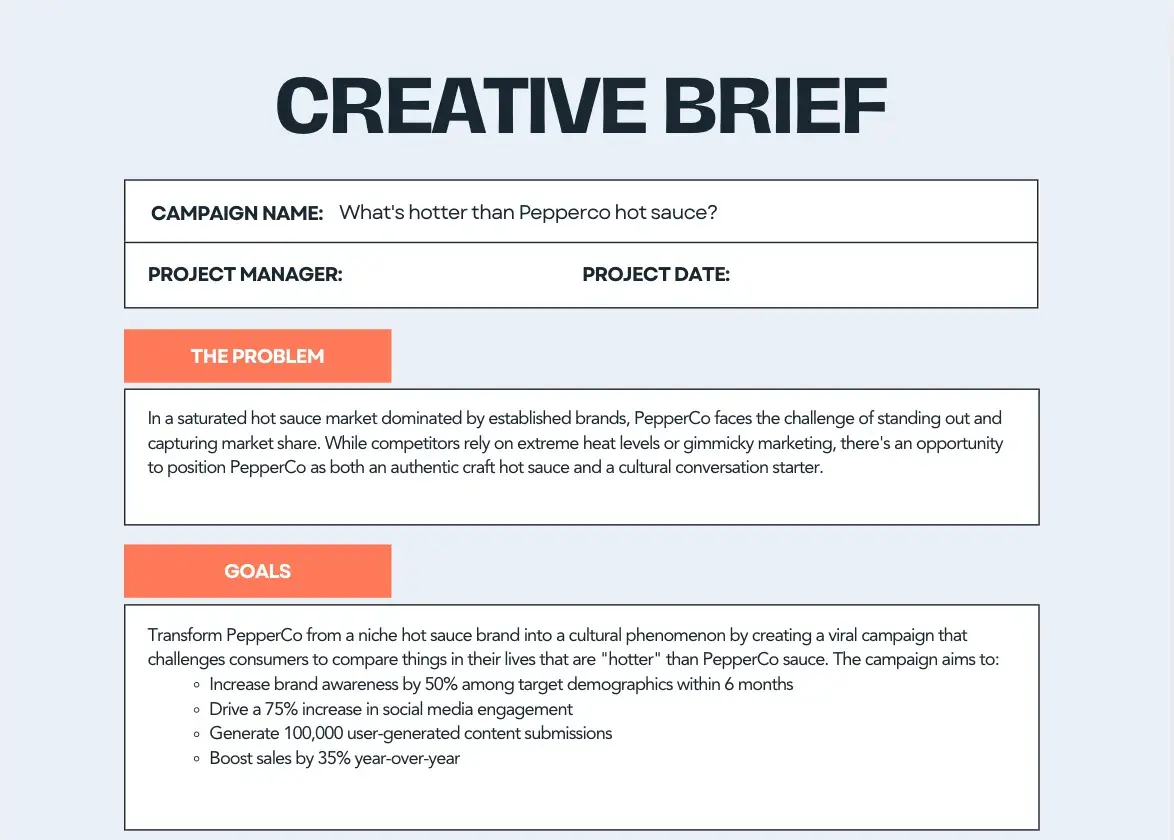
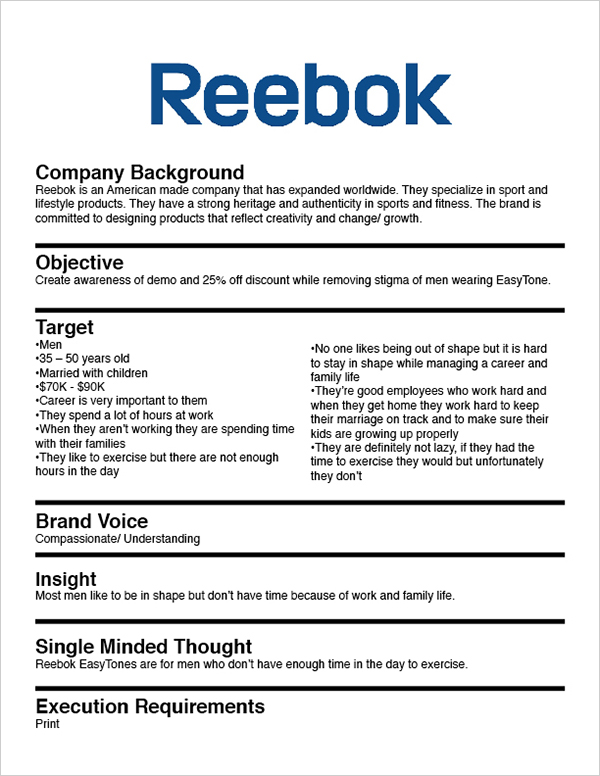
The Ultimate Creative Brief Template
Section 1: The Strategic Foundation (The "Why")
(This section must be completed before the brief is even assigned to a creative. This is the work of the project stakeholder.)
1. The Primary Business Objective: What is the one thing this project needs to achieve?
- Instructions: Be specific and choose only one primary goal. This is the metric that will determine if this project is a success or a failure.
- Bad Example: "Increase brand awareness."
- Good Example: "Drive 1,000 sign-ups for our upcoming webinar." or "Increase the adoption of our new 'X' feature by 15% among existing users."
2. The Target Audience: Who are we talking to?
- Instructions: Go beyond demographics. Choose one of our core personas. What is their mindset? What is their biggest pain point related to this project? What do they currently believe?
- Example: "We are talking to 'The Frustrated Assistant.' They are time-poor, cynical about marketing, and are looking for a tool that will demonstrably save them time, not just add another task to their plate."
3. The Single Most Important Message (The SMIM): What is the one, single idea we want them to take away?
- Instructions: This is the hardest and most important part. If the audience remembers only one thing, what is it? It must be simple, concise, and written in human language.
- Bad Example: "Our product leverages AI-driven synergy to optimize workflows."
- Good Example: "This feature will save you 5 hours of manual work every week."
4. The Desired Action: What do we want them to do after seeing this?
- Instructions: Be specific. This is your primary call-to-action.
- Example: "Click the link to download the new template." or "Sign up for the free trial."
Section 2: The Creative Guardrails (The "What")
(This section defines the sandbox for the creative team. It provides the necessary constraints to guide their thinking without dictating the solution.)
5. The Tone of Voice: How should this feel?
- Instructions: Choose 3-5 keywords from our Brand Voice Guide. Should it be more "Witty" or more "Authoritative"? More "Inspirational" or more "Direct"?
- Example: "Encouraging, Witty, Practical. It should feel like a smart, helpful peer giving you a pro-tip, not a corporation selling you a feature."
6. The Mandatories & The Taboos: What must be included, and what must be avoided?
- Instructions: This is for the non-negotiables. Be specific.
- Mandatories (Must-Haves):
- "Must include the official #CampaignHashtag."
- "The final call-to-action button must say 'Start Your Free Trial'."
- "The legal disclaimer must be visible in the footer."
- Taboos (Absolute Don'ts):
- "Do not use stock photography of people in suits."
- "Avoid using the word 'synergy' or other corporate jargon."
- "Do not make any direct comparisons to Competitor X."
7. Key Deliverables & Specs: What are we actually making?
- Instructions: List every single asset required. Be ruthlessly specific about the formats and specs.
- Example:
- "One (1) 60-second video ad (16:9 ratio)."
- "One (1) 15-second cutdown for Instagram Stories (9:16 ratio)."
- "Three (3) static image ads for Facebook (1:1 ratio)."
- "All accompanying social media copy."
8. The Budget & Timeline: What are the real-world constraints?
- Instructions: Be transparent. This information is critical for scoping the creative appropriately.
- Budget: "Total production budget is $X,XXX."
- Timeline:
- First Draft Due: [Date]
- Stakeholder Review & Feedback Due: [Date]
- Final Assets Due: [Date]
- Launch Date: [Date]
9. Stakeholders & Approvers: Who needs to see this, and who has the final say?
- Instructions: List by name and title. This eliminates the "swoop and poop" from a mysterious executive in the final hour.
- Example:
- Project Lead: [Name]
- For Review: [Name 1], [Name 2]
- Final Approval: [Name 3 - The One Decider]
If the audience remembers only one thing, what is it? This is the hardest and most important part.
How to Use This Template to Transform Your Workflow
This document is more than just a form to be filled out; it's a tool for cultural change.
- Make it Non-Negotiable: This is the most important step. As a leader, you must create a hard and fast rule: "If it's not in a brief, the work doesn't begin." Hold the line. If a request comes in via Slack, your only response should be a friendly, "This sounds exciting! Please fill out the brief template so we can get started." You are not being difficult; you are being professional.
- Use it as a Collaboration Tool, Not a Weapon: The brief should not be a document that one team throws at another. The best way to use it is collaboratively. The stakeholder (e.g., a Product Manager) should fill out Section 1. Then, in the project kickoff meeting, the Creative Lead should review it and fill out Section 2 with the stakeholder. This ensures everyone is aligned and has a shared understanding of the project's goals and constraints from the very beginning.
- Treat it as a Living Document: A brief is not set in stone. If new information arises or the project's scope changes, the brief should be the first thing that gets updated. It is the single source of truth that keeps the project on the rails.
By implementing this single document, you will eliminate countless hours of rework, reduce creative friction, and empower your team to focus their brilliant energy on solving the right problem. It is the single most effective tool I have found for aligning strategy and creativity, and for shipping great work, consistently.