The Complete Brand Storytelling Framework: A Step-by-Step Guide
Documentation- FROM THE WORK
Yelp: From 2 to 30 - Building a Creative Operating System at Scale
From The WorkIAC - One Lead, Three Brands: The Internal Agency Model
From The WorkAI as a Creative Co-Pilot: A Practical Guide
From The WorkThe System Nobody Used
From The WorkHow I Built an AI-Human Creative System (And What Actually Worked)
From The WorkLiving Like Kevin: How a 25-Year-Old Film Became a $500K Revenue Campaign
From The WorkWhy UX Writing is the Most Important Element of Narrative Design in Your Product
From The WorkWhy Internal Brand Strategy is Your Most Powerful Growth Engine
From The WorkWhy "Data-Driven" is Killing Your Creativity (And Why "Data-Informed" is the Solution)
From The WorkWhat the Level Design of Dark Souls Can Teach Us About Employee Onboarding
From The WorkWhat the Architectural Principles of Tadao Ando Can Teach Us About UX Design
From The WorkWhat is Creative Ops? A Practical Guide to Building a More Efficient Creative Workflow
From The WorkWhat is "Radical Empathy"? (And Why It's the Most Undervalued Asset in Business and Art)
From The WorkWhat Hiring Managers in Product and UX Really Want to See in a Creative's Portfolio
From The WorkUX Writing is More Than Microcopy—It's Narrative Design
From The WorkThe Storytelling Genius of Video Game "Lore": What Brands Can Learn from Elden Ring
From The WorkThe Rise of the Full-Stack Creative: Why Marketing Teams Need to Rethink Creative Roles
From The WorkThe Psychology of a Perfect Pitch: How to Frame Your Story to Speak Directly to the Primal Brain
From The WorkThe Perfect Creative Brief Template (And Why It Will Save Your Next Project)
From The WorkThe Manifesto of the Full-Stack Creative
From The WorkThe Full-Stack Triumph of Barbie: Narrative, Marketing, and Product
From The WorkThe Full-Stack Deconstruction of a Hit K-Pop Group: A Case Study in Narrative, Product, and Community
From The WorkThe Empathetic Leader's Playbook: How to Build Resilient and Innovative Teams
From The WorkThe Complete Brand Storytelling Framework: A Step-by-Step Guide
From The WorkThe Art of the Post-Mortem: A Creative Leader's Guide to Learning from Wins and Losses
From The WorkThe Anatomy of a Flop: A Full-Stack Post-Mortem of Quibi
From The WorkThe 7 Essential Tools for Creative Leaders: A Full-Stack Toolkit
From The WorkThe 30M Impression Campaign: How Storytelling and Earned Media Turned a Brand Activation into a Cultural Moment
From The WorkThe "Unreliable Narrator": A Deeply Creative Trope You Should Be Using in Your Brand Marketing
From The WorkThe "Second Brain" for a Full-Stack Creative: My System for Capturing, Connecting, and Creating Ideas
From The WorkThe "GTM" is Your Third Act: Applying Narrative Structure to Your Go-to-Market Plan
From The WorkThe "Creative Capital" Framework: How to Allocate Your Time and Energy Like a Venture Capitalist
From The WorkThe "Chief Narrative Officer": Why This Will Be the Most Important C-Suite Role in the Next Decade
From The WorkScaling Creative Operations at Yelp: The Systems That Made It Possible
From The WorkNarrative Marketing vs. Performance Marketing: Why Story-Driven Campaigns Win
From The WorkMoonbeam: 0 to Acquisition — Building a TikTok-Style Podcast App from Beta to Exit
From The WorkLeader's Guide to Managing Freelancers and Creative Agencies
From The WorkHow to Lead a High-Performing Remote Creative Team
From The WorkAvenues: The World School - Building a Global Brand System Across Two International Campuses
From The WorkHow to Build a Brand Voice from Scratch: A Startup Case Study
From The WorkHow to Apply Product Thinking to Your Creative Process
From The WorkHow We Used User Journey Design to Boost a Creator Platform’s Retention by 30%
From The WorkHow We Used Narrative to Increase Audience Reach by 40%: An IAC Case Study
From The WorkHow We Drove 30 Million Impressions for Yelp’s National “Servies” Campaign
From The WorkHow We Built a Creative Operating System to Increase Campaign Efficiency by 25% at Yelp
From The WorkHow We Aligned Creative and Product to Build a Better Content Pipeline at Yelp
From The WorkFirst Principles Thinking for Creatives: How to Deconstruct Any Story or Brand Problem to its Core
From The WorkDeconstructing Haiku: How the 5-7-5 Structure Can Revolutionize Your UX Microcopy
From The WorkCreative Strategy Isn't Just for Agencies—It's a Core Business Function
From The WorkAn Agile Creativity Framework: How to Run Your Creative Team Like a Product Squad
From The WorkAI as a "Creative Co-Pilot": A Practical Guide for Agencies and Studios
From The WorkA Leader's Guide to Managing Freelancers and Creative Agencies
From The WorkGTM Strategy Case Study: How We Launched a Startup MVP
From The Work5 Enduring Lessons from a Decade of Leading Brand Campaigns
From The WorkWorld-Building-as-a-Service: The Next Big Agency Model
From The Work
 BALANCE INMOTION FORA BETTER LIFEYelp: From 2 to 30 - Building a Creative Operating System at ScaleBALANCE INMOTION FORA BETTER LIFEIAC - One Lead, Three Brands: The Internal Agency ModelBALANCE INMOTION FORA BETTER LIFEAI as a Creative Co-Pilot: A Practical GuideBALANCE INMOTION FORA BETTER LIFEThe System Nobody UsedBALANCE INMOTION FORA BETTER LIFEHow I Built an AI-Human Creative System (And What Actually Worked)BALANCE INMOTION FORA BETTER LIFELiving Like Kevin: How a 25-Year-Old Film Became a $500K Revenue CampaignBALANCE INMOTION FORA BETTER LIFEWhy UX Writing is the Most Important Element of Narrative Design in Your ProductBALANCE INMOTION FORA BETTER LIFEWhy Internal Brand Strategy is Your Most Powerful Growth EngineBALANCE INMOTION FORA BETTER LIFEWhy "Data-Driven" is Killing Your Creativity (And Why "Data-Informed" is the Solution)BALANCE INMOTION FORA BETTER LIFEWhat the Level Design of Dark Souls Can Teach Us About Employee OnboardingBALANCE INMOTION FORA BETTER LIFEWhat the Architectural Principles of Tadao Ando Can Teach Us About UX DesignBALANCE INMOTION FORA BETTER LIFEWhat is Creative Ops? A Practical Guide to Building a More Efficient Creative WorkflowBALANCE INMOTION FORA BETTER LIFEWhat is "Radical Empathy"? (And Why It's the Most Undervalued Asset in Business and Art)BALANCE INMOTION FORA BETTER LIFEWhat Hiring Managers in Product and UX Really Want to See in a Creative's PortfolioBALANCE INMOTION FORA BETTER LIFEUX Writing is More Than Microcopy—It's Narrative DesignBALANCE INMOTION FORA BETTER LIFEThe Storytelling Genius of Video Game "Lore": What Brands Can Learn from Elden RingBALANCE INMOTION FORA BETTER LIFEThe Rise of the Full-Stack Creative: Why Marketing Teams Need to Rethink Creative RolesBALANCE INMOTION FORA BETTER LIFEThe Psychology of a Perfect Pitch: How to Frame Your Story to Speak Directly to the Primal BrainBALANCE INMOTION FORA BETTER LIFEThe Perfect Creative Brief Template (And Why It Will Save Your Next Project)BALANCE INMOTION FORA BETTER LIFEThe Manifesto of the Full-Stack CreativeBALANCE INMOTION FORA BETTER LIFEThe Full-Stack Triumph of Barbie: Narrative, Marketing, and ProductBALANCE INMOTION FORA BETTER LIFEThe Full-Stack Deconstruction of a Hit K-Pop Group: A Case Study in Narrative, Product, and CommunityBALANCE INMOTION FORA BETTER LIFEThe Empathetic Leader's Playbook: How to Build Resilient and Innovative TeamsBALANCE INMOTION FORA BETTER LIFEThe Complete Brand Storytelling Framework: A Step-by-Step GuideBALANCE INMOTION FORA BETTER LIFEThe Art of the Post-Mortem: A Creative Leader's Guide to Learning from Wins and LossesBALANCE INMOTION FORA BETTER LIFEThe Anatomy of a Flop: A Full-Stack Post-Mortem of QuibiBALANCE INMOTION FORA BETTER LIFEThe 7 Essential Tools for Creative Leaders: A Full-Stack ToolkitBALANCE INMOTION FORA BETTER LIFEThe 30M Impression Campaign: How Storytelling and Earned Media Turned a Brand Activation into a Cultural MomentBALANCE INMOTION FORA BETTER LIFEThe "Unreliable Narrator": A Deeply Creative Trope You Should Be Using in Your Brand MarketingBALANCE INMOTION FORA BETTER LIFEThe "Second Brain" for a Full-Stack Creative: My System for Capturing, Connecting, and Creating IdeasBALANCE INMOTION FORA BETTER LIFEThe "GTM" is Your Third Act: Applying Narrative Structure to Your Go-to-Market PlanBALANCE INMOTION FORA BETTER LIFEThe "Creative Capital" Framework: How to Allocate Your Time and Energy Like a Venture CapitalistBALANCE INMOTION FORA BETTER LIFEThe "Chief Narrative Officer": Why This Will Be the Most Important C-Suite Role in the Next DecadeBALANCE INMOTION FORA BETTER LIFEScaling Creative Operations at Yelp: The Systems That Made It PossibleBALANCE INMOTION FORA BETTER LIFENarrative Marketing vs. Performance Marketing: Why Story-Driven Campaigns WinBALANCE INMOTION FORA BETTER LIFEMoonbeam: 0 to Acquisition — Building a TikTok-Style Podcast App from Beta to ExitBALANCE INMOTION FORA BETTER LIFELeader's Guide to Managing Freelancers and Creative AgenciesBALANCE INMOTION FORA BETTER LIFEHow to Lead a High-Performing Remote Creative TeamBALANCE INMOTION FORA BETTER LIFEAvenues: The World School - Building a Global Brand System Across Two International CampusesBALANCE INMOTION FORA BETTER LIFEHow to Build a Brand Voice from Scratch: A Startup Case StudyBALANCE INMOTION FORA BETTER LIFEHow to Apply Product Thinking to Your Creative ProcessBALANCE INMOTION FORA BETTER LIFEHow We Used User Journey Design to Boost a Creator Platform’s Retention by 30%BALANCE INMOTION FORA BETTER LIFEHow We Used Narrative to Increase Audience Reach by 40%: An IAC Case StudyBALANCE INMOTION FORA BETTER LIFEHow We Drove 30 Million Impressions for Yelp’s National “Servies” CampaignBALANCE INMOTION FORA BETTER LIFEHow We Built a Creative Operating System to Increase Campaign Efficiency by 25% at YelpBALANCE INMOTION FORA BETTER LIFEHow We Aligned Creative and Product to Build a Better Content Pipeline at YelpBALANCE INMOTION FORA BETTER LIFEFirst Principles Thinking for Creatives: How to Deconstruct Any Story or Brand Problem to its CoreBALANCE INMOTION FORA BETTER LIFEDeconstructing Haiku: How the 5-7-5 Structure Can Revolutionize Your UX MicrocopyBALANCE INMOTION FORA BETTER LIFECreative Strategy Isn't Just for Agencies—It's a Core Business FunctionBALANCE INMOTION FORA BETTER LIFEAn Agile Creativity Framework: How to Run Your Creative Team Like a Product SquadBALANCE INMOTION FORA BETTER LIFEAI as a "Creative Co-Pilot": A Practical Guide for Agencies and StudiosBALANCE INMOTION FORA BETTER LIFEA Leader's Guide to Managing Freelancers and Creative AgenciesBALANCE INMOTION FORA BETTER LIFEGTM Strategy Case Study: How We Launched a Startup MVPBALANCE INMOTION FORA BETTER LIFE5 Enduring Lessons from a Decade of Leading Brand CampaignsBALANCE INMOTION FORA BETTER LIFEWorld-Building-as-a-Service: The Next Big Agency ModelPOINT OF VIEW
- Framework
What is a brand?
It’s not your logo. It’s not your color palette. It’s not even your product. A brand is a story. It’s the cohesive, gut-level feeling that a person has about you. And in a world of infinite choice, the brand with the best story wins.
But how do you build a story? For many founders and marketers, "brand storytelling" feels like a mystical, unteachable art form. It’s something you either "get" or you don’t.
That’s a myth. After a decade of building brand narratives for everyone from scrappy startups like Moonbeam to global giants like Yelp and IAC, I’ve learned that great brand storytelling is not an accident; it’s an act of architecture. It’s a disciplined, step-by-step process of excavation and construction.
I call it the Narrative Architecture Framework. It’s a five-step playbook that I use on every project to move from a vague business idea to a powerful, resonant brand story. It’s a system designed to find your truth and tell it in a way that connects. Today, I’m going to walk you through the entire thing.

Great brand storytelling is not an accident; it’s an act of architecture.
The Foundation
Before You Build, You Must Dig
Before we get to the five steps, there’s a "Step Zero" that most people skip: You cannot create a story, you can only excavate the one that is already there. An authentic brand story is not an act of fiction. It’s an act of discovery. It’s about finding the most compelling, truthful, and resonant narrative that already exists at the core of your business.
This framework is a set of tools for that excavation.
The Narrative Architecture Framework: The 5 Steps
Step 1: Define Your "Unconventional Truth"
Every great brand is built on a strong, and often slightly contrarian, point of view. I call this the "Unconventional Truth." It's the one thing you believe that your competitors do not. It’s the hill you’re willing to die on.
- The Process: Ask yourself and your team: "What is a core belief we hold about our industry that most people would disagree with?"
- Example (Patagonia): The Unconventional Truth is "The best way to sell a jacket is to tell people not to buy it." (Their "Don't Buy This Jacket" campaign). This established their story not as a retailer, but as an environmental steward.
- Example (Liquid Death): The Unconventional Truth is "Water can be marketed with the same irreverent, heavy-metal energy as an energy drink."
Your Unconventional Truth is the heart of your story. It’s the theme. Without it, you are just another commodity. This truth becomes the filter for every decision you make.
Step 2: Identify Your "Enemy"
This is the most powerful step for creating immediate narrative energy. A brand that is just for something is nice. A brand that is against something is a movement. Your enemy is not a direct competitor; it’s an idea, a frustration, a system, or a way of thinking that your brand exists to fight against.
- The Process: Ask: "What frustration in the world are we trying to solve? What outdated idea are we here to replace?"
- Example (Apple, 1984): The enemy wasn't IBM. The enemy was conformity, groupthink, and the dehumanization of technology.
- Example (Warby Parker): The enemy isn't LensCrafters. The enemy is the idea that stylish glasses should be absurdly expensive.
- Example (At Moonbeam): Our enemy was "Creative Gatekeeping" and "The Myth of the Lone Genius."
Defining your enemy gives you a clear villain for your story. It gives your audience a banner to rally under. It transforms your brand from a product into a protagonist on a mission.

Step 3
Establish Your "Character" (Voice & Tone)
Now that you know your theme (your Unconventional Truth) and your conflict (your fight against the Enemy), you can define your protagonist: the character of your brand. This is where you codify your voice and tone.
- The Process: Use the "Brand Archetype Matrix" I detailed in my Moonbeam case study. Ask the key questions: If your brand were a person, what would they be like? Are they the witty Sage, the rebellious Outlaw, the nurturing Caregiver?
- The Output: A simple, powerful "We are... / We are not..." matrix. This becomes the practical guide for anyone writing on behalf of your brand.
- Example (A hypothetical coffee brand whose Enemy is "Complicated, Pretentious Coffee Culture"):
- We ARE: Simple, Friendly, Confident, Unfussy.
- We ARE NOT: Complicated, Snobby, Elitist, Academic.
Your brand's character must be a direct reflection of the story you're telling. If you're fighting against complexity, your voice must be simple. If you're fighting against conformity, your voice must be rebellious.
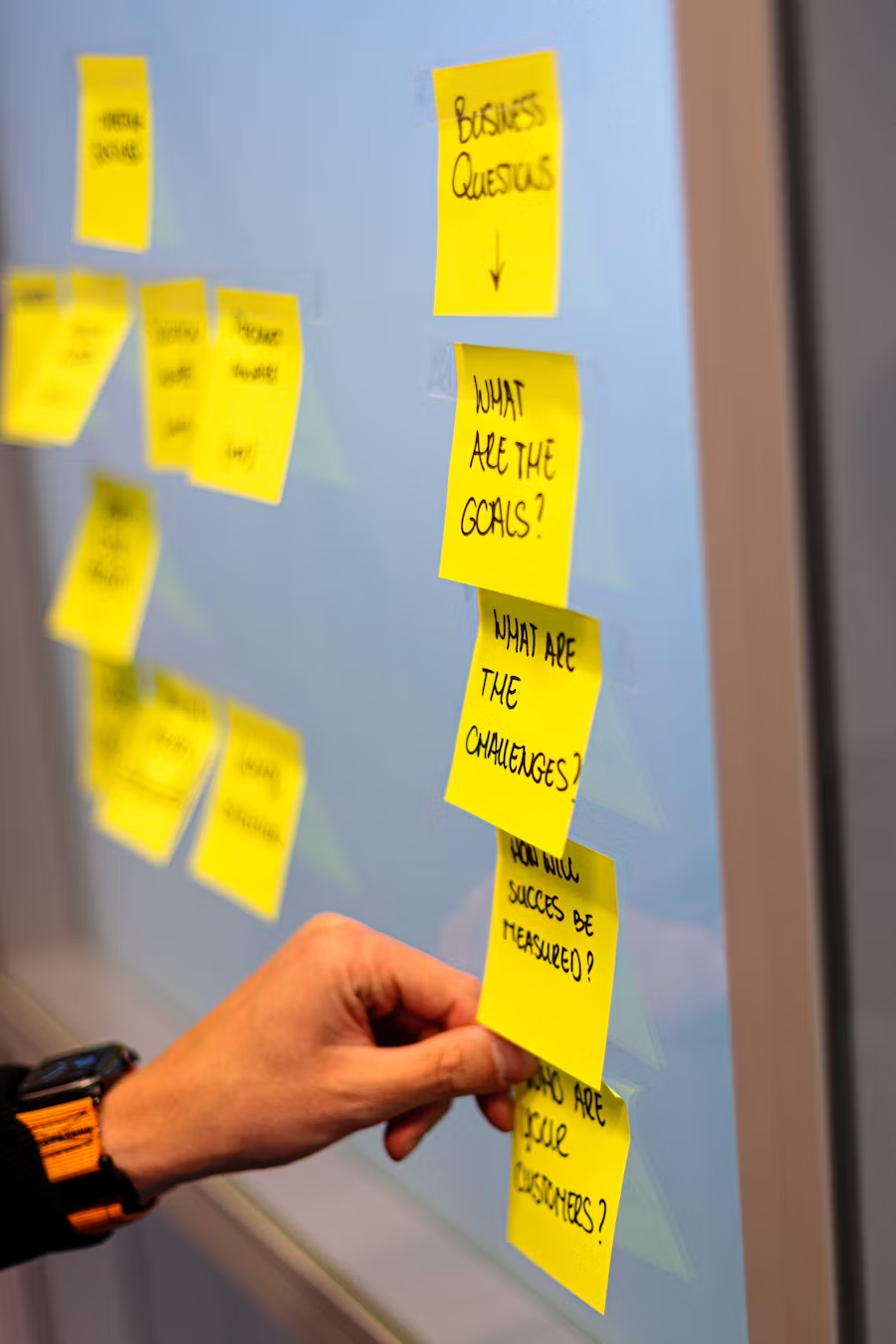
Step 4 & 5
Architect Your "Core Narrative"
With the foundational pieces in place, you can now write the story itself. This is your core brand narrative, a concise, 100-200 word statement that serves as your "About Us" page, your elevator pitch, and the emotional core of your brand.
- The Process: I use a simple, four-part story structure that is incredibly effective:
- The Old World: Start by describing the world as it exists, validating the audience's frustration with the "Enemy." ("For too long, the only way to get a great cup of coffee was to learn a secret language of grinders, temperatures, and tasting notes.")
- The Unconventional Truth: State your core belief that challenges this old world. ("We believe that a world-class cup of coffee shouldn't require a chemistry degree. It should be simple, delicious, and for everyone.")
- The Solution: Introduce your product or service as the tangible proof of your belief. ("That's why we created [Brand Name]. We source the world's best beans and roast them to perfection, with simple guides that help you make the perfect cup, every time.")
- The New World: Paint a picture of the better world your audience can now live in with your help. ("So you can spend less time being a barista and more time just enjoying your coffee. Welcome to a simpler morning.")
- The Output: A powerful, emotionally resonant story that anyone in your company can tell, from the CEO to a customer service rep.
Step 5: Build Your "Content Ecosystem"
Your Core Narrative is your pilot episode. Your Content Ecosystem is the rest of the season. This is where you translate your story into a tangible content strategy.
- The Process: You take your core brand story and break it down into your main content pillars.
- The Output: A clear plan for how you will consistently and repeatedly tell your story across different channels.
- Example (Continuing with the coffee brand):
- Pillar 1 (Fighting the Enemy): A series of blog posts or videos titled "Coffee Myths, Busted," where you playfully deconstruct pretentious coffee advice.
- Pillar 2 (Proving the Solution): A series of simple, beautiful "How-To" guides on Instagram showing how easy it is to make great coffee with your beans.
- Pillar 3 (Living in the New World): A curated newsletter focused on "simple morning rituals," featuring content about mindfulness, great books, and productivity—all the things you can now enjoy because you're not fiddling with your coffee grinder.
This final step turns your brand story from a static statement into a living, breathing world that your audience can inhabit every single day.
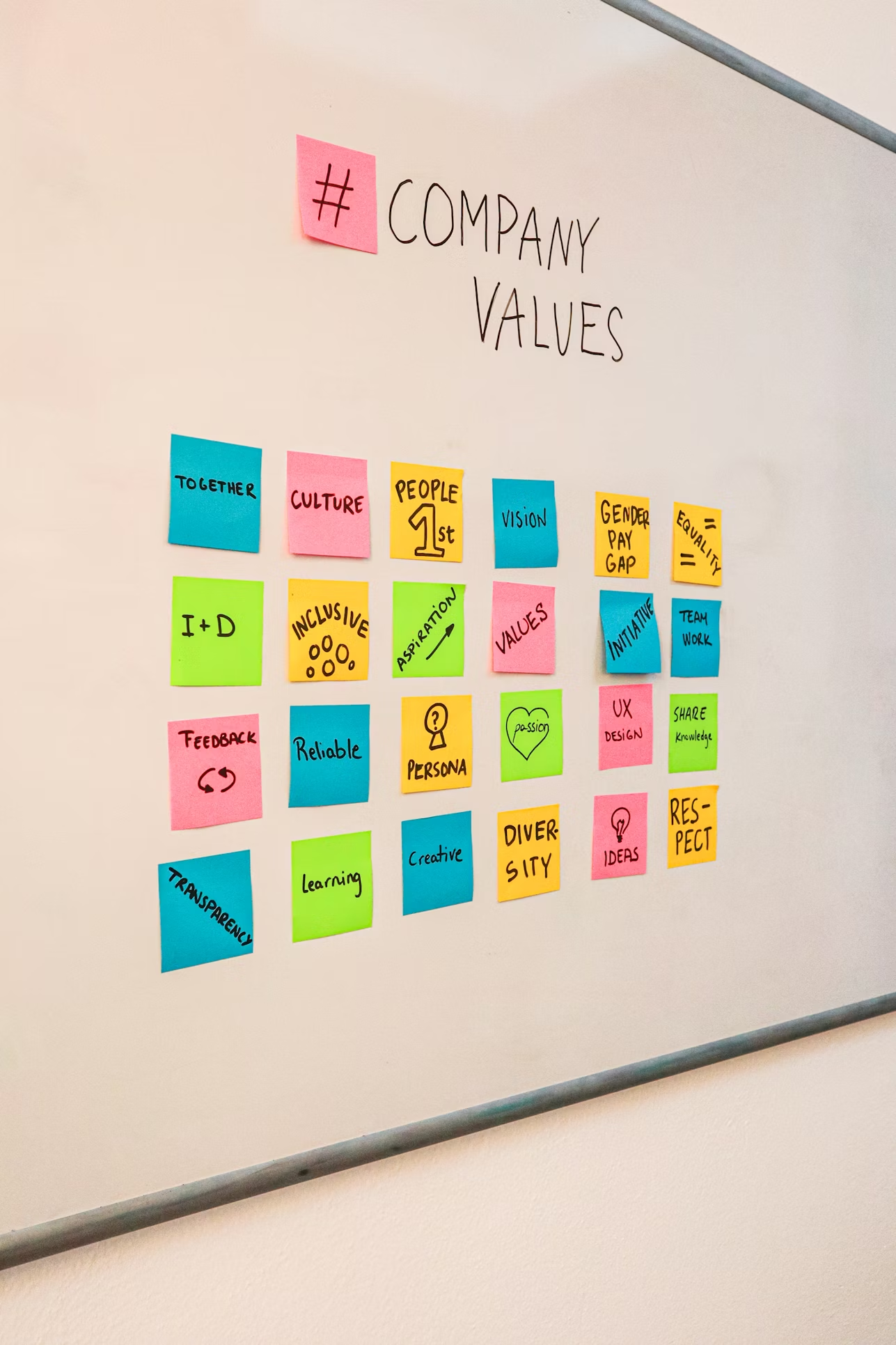
A brand that is just for something is nice. A brand that is against something is a movement.
Conclusion
From a Business to a Belief
This framework is not about "spinning" or "marketing." It's a rigorous process for finding the truth at the heart of your work and building a world around it.
When you have a clear Unconventional Truth, a defined Enemy, a consistent Character, a powerful Core Narrative, and a cohesive Content Ecosystem, something magical happens. Your brand transforms from a simple business into a belief system.
Your audience doesn't just buy your products; they buy into your worldview. They become not just customers, but advocates. And that is the most powerful, defensible, and valuable position a brand can ever own. This is the work. This is how you build a story that lasts.