How We Used User Journey Design to Boost a Creator Platform’s Retention by 30%
Documentation- FROM THE WORK
Yelp: From 2 to 30 - Building a Creative Operating System at Scale
From The WorkIAC - One Lead, Three Brands: The Internal Agency Model
From The WorkAI as a Creative Co-Pilot: A Practical Guide
From The WorkThe System Nobody Used
From The WorkHow I Built an AI-Human Creative System (And What Actually Worked)
From The WorkLiving Like Kevin: How a 25-Year-Old Film Became a $500K Revenue Campaign
From The WorkWhy UX Writing is the Most Important Element of Narrative Design in Your Product
From The WorkWhy Internal Brand Strategy is Your Most Powerful Growth Engine
From The WorkWhy "Data-Driven" is Killing Your Creativity (And Why "Data-Informed" is the Solution)
From The WorkWhat the Level Design of Dark Souls Can Teach Us About Employee Onboarding
From The WorkWhat the Architectural Principles of Tadao Ando Can Teach Us About UX Design
From The WorkWhat is Creative Ops? A Practical Guide to Building a More Efficient Creative Workflow
From The WorkWhat is "Radical Empathy"? (And Why It's the Most Undervalued Asset in Business and Art)
From The WorkWhat Hiring Managers in Product and UX Really Want to See in a Creative's Portfolio
From The WorkUX Writing is More Than Microcopy—It's Narrative Design
From The WorkThe Storytelling Genius of Video Game "Lore": What Brands Can Learn from Elden Ring
From The WorkThe Rise of the Full-Stack Creative: Why Marketing Teams Need to Rethink Creative Roles
From The WorkThe Psychology of a Perfect Pitch: How to Frame Your Story to Speak Directly to the Primal Brain
From The WorkThe Perfect Creative Brief Template (And Why It Will Save Your Next Project)
From The WorkThe Manifesto of the Full-Stack Creative
From The WorkThe Full-Stack Triumph of Barbie: Narrative, Marketing, and Product
From The WorkThe Full-Stack Deconstruction of a Hit K-Pop Group: A Case Study in Narrative, Product, and Community
From The WorkThe Empathetic Leader's Playbook: How to Build Resilient and Innovative Teams
From The WorkThe Complete Brand Storytelling Framework: A Step-by-Step Guide
From The WorkThe Art of the Post-Mortem: A Creative Leader's Guide to Learning from Wins and Losses
From The WorkThe Anatomy of a Flop: A Full-Stack Post-Mortem of Quibi
From The WorkThe 7 Essential Tools for Creative Leaders: A Full-Stack Toolkit
From The WorkThe 30M Impression Campaign: How Storytelling and Earned Media Turned a Brand Activation into a Cultural Moment
From The WorkThe "Unreliable Narrator": A Deeply Creative Trope You Should Be Using in Your Brand Marketing
From The WorkThe "Second Brain" for a Full-Stack Creative: My System for Capturing, Connecting, and Creating Ideas
From The WorkThe "GTM" is Your Third Act: Applying Narrative Structure to Your Go-to-Market Plan
From The WorkThe "Creative Capital" Framework: How to Allocate Your Time and Energy Like a Venture Capitalist
From The WorkThe "Chief Narrative Officer": Why This Will Be the Most Important C-Suite Role in the Next Decade
From The WorkScaling Creative Operations at Yelp: The Systems That Made It Possible
From The WorkNarrative Marketing vs. Performance Marketing: Why Story-Driven Campaigns Win
From The WorkMoonbeam: 0 to Acquisition — Building a TikTok-Style Podcast App from Beta to Exit
From The WorkLeader's Guide to Managing Freelancers and Creative Agencies
From The WorkHow to Lead a High-Performing Remote Creative Team
From The WorkAvenues: The World School - Building a Global Brand System Across Two International Campuses
From The WorkHow to Build a Brand Voice from Scratch: A Startup Case Study
From The WorkHow to Apply Product Thinking to Your Creative Process
From The WorkHow We Used User Journey Design to Boost a Creator Platform’s Retention by 30%
From The WorkHow We Used Narrative to Increase Audience Reach by 40%: An IAC Case Study
From The WorkHow We Drove 30 Million Impressions for Yelp’s National “Servies” Campaign
From The WorkHow We Built a Creative Operating System to Increase Campaign Efficiency by 25% at Yelp
From The WorkHow We Aligned Creative and Product to Build a Better Content Pipeline at Yelp
From The WorkFirst Principles Thinking for Creatives: How to Deconstruct Any Story or Brand Problem to its Core
From The WorkDeconstructing Haiku: How the 5-7-5 Structure Can Revolutionize Your UX Microcopy
From The WorkCreative Strategy Isn't Just for Agencies—It's a Core Business Function
From The WorkAn Agile Creativity Framework: How to Run Your Creative Team Like a Product Squad
From The WorkAI as a "Creative Co-Pilot": A Practical Guide for Agencies and Studios
From The WorkA Leader's Guide to Managing Freelancers and Creative Agencies
From The WorkGTM Strategy Case Study: How We Launched a Startup MVP
From The Work5 Enduring Lessons from a Decade of Leading Brand Campaigns
From The WorkWorld-Building-as-a-Service: The Next Big Agency Model
From The Work
 BALANCE INMOTION FORA BETTER LIFEYelp: From 2 to 30 - Building a Creative Operating System at ScaleBALANCE INMOTION FORA BETTER LIFEIAC - One Lead, Three Brands: The Internal Agency ModelBALANCE INMOTION FORA BETTER LIFEAI as a Creative Co-Pilot: A Practical GuideBALANCE INMOTION FORA BETTER LIFEThe System Nobody UsedBALANCE INMOTION FORA BETTER LIFEHow I Built an AI-Human Creative System (And What Actually Worked)BALANCE INMOTION FORA BETTER LIFELiving Like Kevin: How a 25-Year-Old Film Became a $500K Revenue CampaignBALANCE INMOTION FORA BETTER LIFEWhy UX Writing is the Most Important Element of Narrative Design in Your ProductBALANCE INMOTION FORA BETTER LIFEWhy Internal Brand Strategy is Your Most Powerful Growth EngineBALANCE INMOTION FORA BETTER LIFEWhy "Data-Driven" is Killing Your Creativity (And Why "Data-Informed" is the Solution)BALANCE INMOTION FORA BETTER LIFEWhat the Level Design of Dark Souls Can Teach Us About Employee OnboardingBALANCE INMOTION FORA BETTER LIFEWhat the Architectural Principles of Tadao Ando Can Teach Us About UX DesignBALANCE INMOTION FORA BETTER LIFEWhat is Creative Ops? A Practical Guide to Building a More Efficient Creative WorkflowBALANCE INMOTION FORA BETTER LIFEWhat is "Radical Empathy"? (And Why It's the Most Undervalued Asset in Business and Art)BALANCE INMOTION FORA BETTER LIFEWhat Hiring Managers in Product and UX Really Want to See in a Creative's PortfolioBALANCE INMOTION FORA BETTER LIFEUX Writing is More Than Microcopy—It's Narrative DesignBALANCE INMOTION FORA BETTER LIFEThe Storytelling Genius of Video Game "Lore": What Brands Can Learn from Elden RingBALANCE INMOTION FORA BETTER LIFEThe Rise of the Full-Stack Creative: Why Marketing Teams Need to Rethink Creative RolesBALANCE INMOTION FORA BETTER LIFEThe Psychology of a Perfect Pitch: How to Frame Your Story to Speak Directly to the Primal BrainBALANCE INMOTION FORA BETTER LIFEThe Perfect Creative Brief Template (And Why It Will Save Your Next Project)BALANCE INMOTION FORA BETTER LIFEThe Manifesto of the Full-Stack CreativeBALANCE INMOTION FORA BETTER LIFEThe Full-Stack Triumph of Barbie: Narrative, Marketing, and ProductBALANCE INMOTION FORA BETTER LIFEThe Full-Stack Deconstruction of a Hit K-Pop Group: A Case Study in Narrative, Product, and CommunityBALANCE INMOTION FORA BETTER LIFEThe Empathetic Leader's Playbook: How to Build Resilient and Innovative TeamsBALANCE INMOTION FORA BETTER LIFEThe Complete Brand Storytelling Framework: A Step-by-Step GuideBALANCE INMOTION FORA BETTER LIFEThe Art of the Post-Mortem: A Creative Leader's Guide to Learning from Wins and LossesBALANCE INMOTION FORA BETTER LIFEThe Anatomy of a Flop: A Full-Stack Post-Mortem of QuibiBALANCE INMOTION FORA BETTER LIFEThe 7 Essential Tools for Creative Leaders: A Full-Stack ToolkitBALANCE INMOTION FORA BETTER LIFEThe 30M Impression Campaign: How Storytelling and Earned Media Turned a Brand Activation into a Cultural MomentBALANCE INMOTION FORA BETTER LIFEThe "Unreliable Narrator": A Deeply Creative Trope You Should Be Using in Your Brand MarketingBALANCE INMOTION FORA BETTER LIFEThe "Second Brain" for a Full-Stack Creative: My System for Capturing, Connecting, and Creating IdeasBALANCE INMOTION FORA BETTER LIFEThe "GTM" is Your Third Act: Applying Narrative Structure to Your Go-to-Market PlanBALANCE INMOTION FORA BETTER LIFEThe "Creative Capital" Framework: How to Allocate Your Time and Energy Like a Venture CapitalistBALANCE INMOTION FORA BETTER LIFEThe "Chief Narrative Officer": Why This Will Be the Most Important C-Suite Role in the Next DecadeBALANCE INMOTION FORA BETTER LIFEScaling Creative Operations at Yelp: The Systems That Made It PossibleBALANCE INMOTION FORA BETTER LIFENarrative Marketing vs. Performance Marketing: Why Story-Driven Campaigns WinBALANCE INMOTION FORA BETTER LIFEMoonbeam: 0 to Acquisition — Building a TikTok-Style Podcast App from Beta to ExitBALANCE INMOTION FORA BETTER LIFELeader's Guide to Managing Freelancers and Creative AgenciesBALANCE INMOTION FORA BETTER LIFEHow to Lead a High-Performing Remote Creative TeamBALANCE INMOTION FORA BETTER LIFEAvenues: The World School - Building a Global Brand System Across Two International CampusesBALANCE INMOTION FORA BETTER LIFEHow to Build a Brand Voice from Scratch: A Startup Case StudyBALANCE INMOTION FORA BETTER LIFEHow to Apply Product Thinking to Your Creative ProcessBALANCE INMOTION FORA BETTER LIFEHow We Used User Journey Design to Boost a Creator Platform’s Retention by 30%BALANCE INMOTION FORA BETTER LIFEHow We Used Narrative to Increase Audience Reach by 40%: An IAC Case StudyBALANCE INMOTION FORA BETTER LIFEHow We Drove 30 Million Impressions for Yelp’s National “Servies” CampaignBALANCE INMOTION FORA BETTER LIFEHow We Built a Creative Operating System to Increase Campaign Efficiency by 25% at YelpBALANCE INMOTION FORA BETTER LIFEHow We Aligned Creative and Product to Build a Better Content Pipeline at YelpBALANCE INMOTION FORA BETTER LIFEFirst Principles Thinking for Creatives: How to Deconstruct Any Story or Brand Problem to its CoreBALANCE INMOTION FORA BETTER LIFEDeconstructing Haiku: How the 5-7-5 Structure Can Revolutionize Your UX MicrocopyBALANCE INMOTION FORA BETTER LIFECreative Strategy Isn't Just for Agencies—It's a Core Business FunctionBALANCE INMOTION FORA BETTER LIFEAn Agile Creativity Framework: How to Run Your Creative Team Like a Product SquadBALANCE INMOTION FORA BETTER LIFEAI as a "Creative Co-Pilot": A Practical Guide for Agencies and StudiosBALANCE INMOTION FORA BETTER LIFEA Leader's Guide to Managing Freelancers and Creative AgenciesBALANCE INMOTION FORA BETTER LIFEGTM Strategy Case Study: How We Launched a Startup MVPBALANCE INMOTION FORA BETTER LIFE5 Enduring Lessons from a Decade of Leading Brand CampaignsBALANCE INMOTION FORA BETTER LIFEWorld-Building-as-a-Service: The Next Big Agency ModelPOINT OF VIEW
The Set Up
It’s the question that keeps every founder and product manager up at night: how do you get people to stay? You can build a beautiful product, attract thousands of users, and have a brilliant mission, but if your platform is a leaky bucket, none of it matters. This was the precise challenge facing Moonbeam, an innovative, early-stage platform designed to help creators find and collaborate with one another.
When I joined as Curation Director, Moonbeam had a passionate user base and a fantastic core product. But our user retention numbers were flat. Users would sign up, get excited, and then… drift away. They were struggling to find the right collaborators, missing key platform updates, and weren't experiencing the "magic moment" of a successful connection quickly enough.
The problem wasn't the product's value; it was the product's narrative. The user journey was a series of disconnected events, not a cohesive, compelling story.
Over six months, I led a cross-functional initiative to redesign the user journey from the ground up, not as a series of features, but as a deliberate narrative. We partnered with the product and UX teams to create new feedback systems, content loops, and communication touchpoints. The result was a 30% increase in user retention and a significant lift in user engagement—all without a single major change to the core product. This is the story of how we stopped fixing features and started fixing the story.
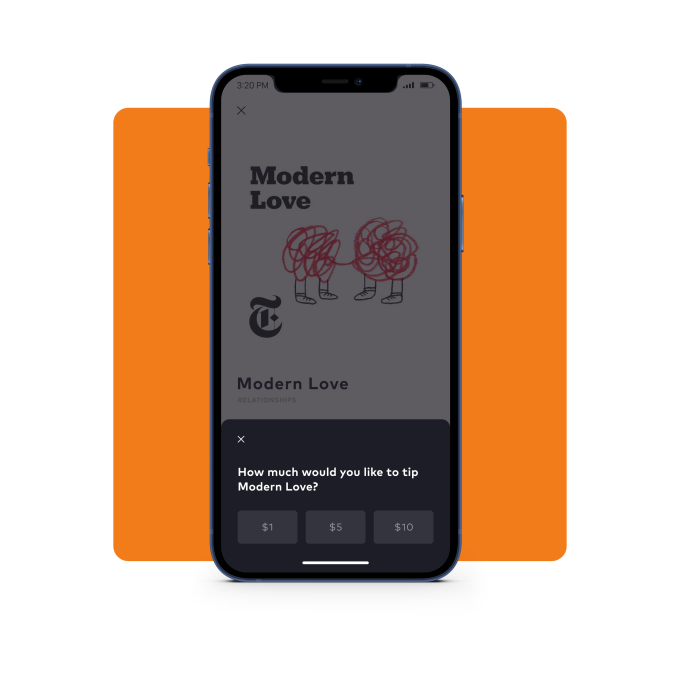
Our user journey was a monologue, not a dialogue. We were talking at our users, not building a relationship with them.
The Journey
From Disconnected Clicks to a Cohesive Narrative
Phase 1
Our first step was to move beyond simple analytics and build a qualitative, empathetic understanding of the user experience. We weren't just losing users; we were losing people with hopes and creative dreams. Why?
Diagnosis & The User Journey Map
Users felt:
- Overwhelmed: They were presented with too many potential collaborators at once, leading to choice paralysis.
- Invisible: They didn't know if their own profile was being seen or if their outreach was landing.
- Disconnected: They were missing key platform updates and opportunities because our communication was sporadic.
Using this insight, we created a detailed User Journey Map. This became our foundational document. We mapped every single touchpoint a user had with Moonbeam in their first 14 days, from the initial sign-up email to their first collaboration request. For each touchpoint, we identified the user's action, their emotional state (e.g., excited, confused, frustrated), and the "narrative gap"—the place where the story we wanted to tell them diverged from the story they were actually experiencing.
This map revealed our core problem: our user journey was a monologue, not a dialogue. We were talking at our users, not building a relationship with them.

Phase 2
Designing the Narrative Loops
With our journey map as our blueprint, I proposed a new strategy centered around creating three interconnected narrative loops: a Feedback Loop, a Content Loop, and a Community Loop.
1. The Feedback Loop (Making the User Feel Seen)
The biggest source of user frustration was a lack of feedback. They felt like they were shouting into a void. To solve this, we designed and implemented a new, automated system of notifications and prompts.
- Old Way: A user sends a collaboration request and hears nothing.
- New Way:
- Instantly, they receive a confirmation: "Your request has been sent! We'll let you know when [User's Name] has seen it."
- When their profile is viewed, they get a notification: "Good news! A creator just viewed your profile."
- We designed a "nudge" system. If a request went unanswered for 72 hours, the recipient would get a gentle, automated reminder.
This simple system transformed the user experience from one of anxiety to one of informed anticipation. It was the first chapter in our new story: "We see you, and we're here with you."
2. The Content Loop (Making the Platform Feel Alive)
Our next challenge was to make the platform feel dynamic and constantly valuable, even if a user wasn't actively collaborating. I led the development of a new, curation-driven content strategy.
- "Creator of the Week": We began featuring an outstanding creator on the homepage and in a new weekly newsletter. This created a powerful incentive for users to polish their profiles and celebrated the talent within our community.
- Targeted "Opportunity" Emails: Instead of generic platform updates, we used platform data to send highly targeted emails. A screenwriter would get an alert about a director looking for a sci-fi script; a composer would get an alert about a filmmaker needing a score. This transformed our emails from "spam" into an essential, valuable service.
3. The Community Loop (Making Users Feel Connected)
Finally, we needed to connect our users to each other outside of formal projects. We supported strategic pivots and growth marketing experiments to foster a sense of belonging. We defined product positioning and user journeys that encouraged users to join our new community forums and participate in weekly "collaboration prompt" challenges. This created a space for users to build relationships and feel like part of a movement, even before they landed their first big project.
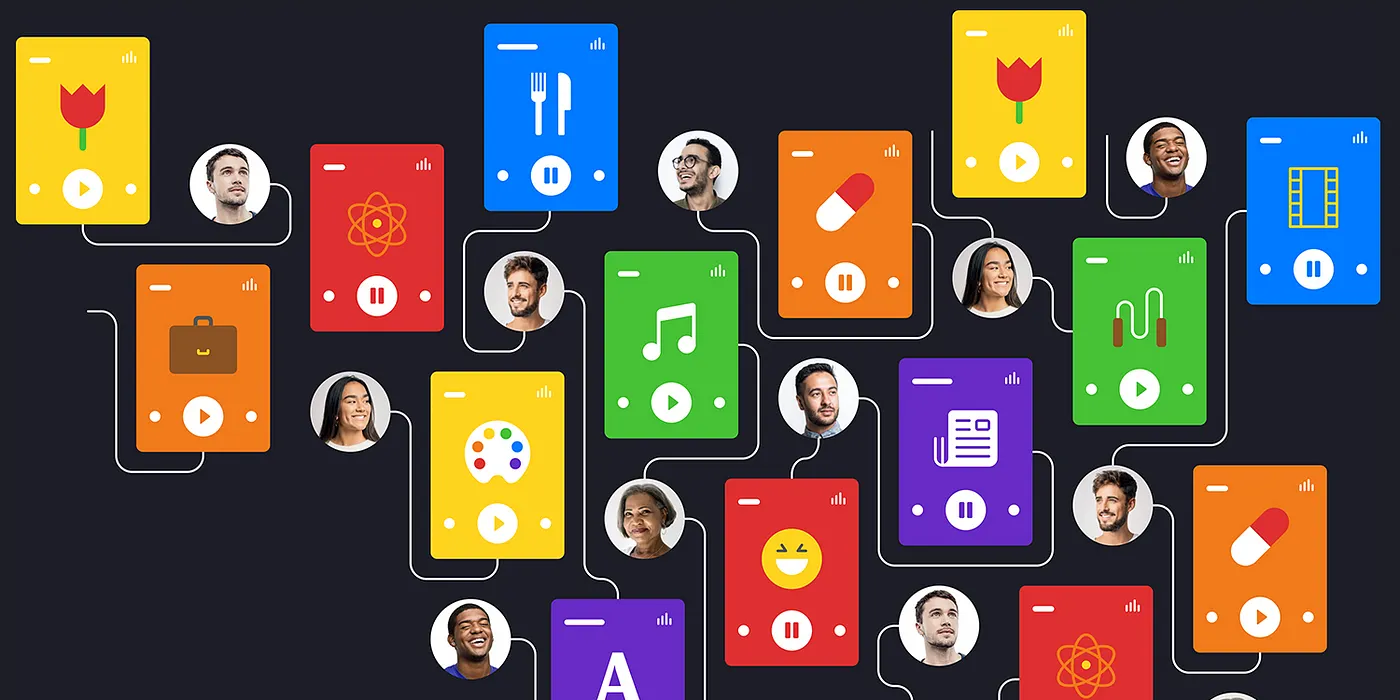
The Results:
A 30% Lift in Retention and a More Engaged Community
By redesigning the user journey as a cohesive narrative, we fundamentally changed the user's relationship with the platform. They went from feeling like isolated users of a tool to feeling like valued members of a community. The quantitative results were a direct reflection of this qualitative shift.
The Metrics that Mattered
Over the two quarters following the implementation of our new journey design, we tracked a clear and sustained impact on our core business metrics:
- 14-Day User Retention Increased by 30%: This was our North Star metric. By creating a more engaging, informative, and rewarding first two weeks, we dramatically reduced the number of users who signed up and churned. The "leaky bucket" was patched because users were now experiencing the platform's "magic moment" faster and more reliably.
- Key Action Engagement Grew by 25%: We saw a significant increase in the number of "key actions" taken per user session. This included sending collaboration requests, updating profiles, and engaging with our new content features. Users weren't just staying longer; they were doing more.
- Newsletter Open Rates Climbed to Over 60%: Our shift from generic platform updates to curated, high-value content turned our newsletter into a must-read. It became a primary driver of weekly re-engagement, bringing users back to the platform consistently.
The Human-Centric Result
Beyond the numbers, the biggest change was in the vibe of the community. The feedback we received shifted from "I'm confused" or "Is this thing on?" to "I was so excited to get a notification that a director viewed my profile!" and "Thank you for featuring my work in the newsletter!" We had successfully transformed the experience from one of passive waiting to one of active participation and hope. We proved that a well-designed narrative isn't just a "nice-to-have"; it's a core driver of the metrics that every product and business leader cares about most.

Lessons Learned
Three Truths About User Journey Design
This project reinforced three core principles that I now carry into every brand, product, and strategic challenge
1. Retention is a Function of Narrative, Not Just Features
We often think that adding one more feature will be the key to making users stay. This project proved that the story you tell a user—the way you guide them, give them feedback, and make them feel seen—is often more powerful than any single tool. A cohesive journey can make a simple feature set feel indispensable.
2. The "Empty Room" is Your Biggest Enemy
A new user arriving on a platform that feels quiet or static is a death sentence. Our content and feedback loops were designed to solve this "empty room" problem. By constantly showing the user that the platform was alive with activity, opportunities, and success stories, we gave them a reason to believe and a reason to stick around.
3. Your Most Powerful Insights Live at the Seams
This project's success was entirely dependent on the tight collaboration between Creative, Product, and UX. The best ideas weren't born in a single department; they were discovered at the seams between them. My role as the "translator"—the person who could speak the language of user empathy, narrative design, and business goals—was the key to unlocking the solution. The most valuable leaders are the ones who can live in that intersection.
This experience at Moonbeam was foundational. It cemented my belief that a full-stack creative approach—one that blends storytelling, user-centric design, and operational rigor—isn't just a better way to make content; it's a better way to build businesses.