How We Built a Creative Operating System to Increase Campaign Efficiency by 25% at Yelp
Documentation- FROM THE WORK
Yelp: From 2 to 30 - Building a Creative Operating System at Scale
From The WorkIAC - One Lead, Three Brands: The Internal Agency Model
From The WorkAI as a Creative Co-Pilot: A Practical Guide
From The WorkThe System Nobody Used
From The WorkHow I Built an AI-Human Creative System (And What Actually Worked)
From The WorkLiving Like Kevin: How a 25-Year-Old Film Became a $500K Revenue Campaign
From The WorkWhy UX Writing is the Most Important Element of Narrative Design in Your Product
From The WorkWhy Internal Brand Strategy is Your Most Powerful Growth Engine
From The WorkWhy "Data-Driven" is Killing Your Creativity (And Why "Data-Informed" is the Solution)
From The WorkWhat the Level Design of Dark Souls Can Teach Us About Employee Onboarding
From The WorkWhat the Architectural Principles of Tadao Ando Can Teach Us About UX Design
From The WorkWhat is Creative Ops? A Practical Guide to Building a More Efficient Creative Workflow
From The WorkWhat is "Radical Empathy"? (And Why It's the Most Undervalued Asset in Business and Art)
From The WorkWhat Hiring Managers in Product and UX Really Want to See in a Creative's Portfolio
From The WorkUX Writing is More Than Microcopy—It's Narrative Design
From The WorkThe Storytelling Genius of Video Game "Lore": What Brands Can Learn from Elden Ring
From The WorkThe Rise of the Full-Stack Creative: Why Marketing Teams Need to Rethink Creative Roles
From The WorkThe Psychology of a Perfect Pitch: How to Frame Your Story to Speak Directly to the Primal Brain
From The WorkThe Perfect Creative Brief Template (And Why It Will Save Your Next Project)
From The WorkThe Manifesto of the Full-Stack Creative
From The WorkThe Full-Stack Triumph of Barbie: Narrative, Marketing, and Product
From The WorkThe Full-Stack Deconstruction of a Hit K-Pop Group: A Case Study in Narrative, Product, and Community
From The WorkThe Empathetic Leader's Playbook: How to Build Resilient and Innovative Teams
From The WorkThe Complete Brand Storytelling Framework: A Step-by-Step Guide
From The WorkThe Art of the Post-Mortem: A Creative Leader's Guide to Learning from Wins and Losses
From The WorkThe Anatomy of a Flop: A Full-Stack Post-Mortem of Quibi
From The WorkThe 7 Essential Tools for Creative Leaders: A Full-Stack Toolkit
From The WorkThe 30M Impression Campaign: How Storytelling and Earned Media Turned a Brand Activation into a Cultural Moment
From The WorkThe "Unreliable Narrator": A Deeply Creative Trope You Should Be Using in Your Brand Marketing
From The WorkThe "Second Brain" for a Full-Stack Creative: My System for Capturing, Connecting, and Creating Ideas
From The WorkThe "GTM" is Your Third Act: Applying Narrative Structure to Your Go-to-Market Plan
From The WorkThe "Creative Capital" Framework: How to Allocate Your Time and Energy Like a Venture Capitalist
From The WorkThe "Chief Narrative Officer": Why This Will Be the Most Important C-Suite Role in the Next Decade
From The WorkScaling Creative Operations at Yelp: The Systems That Made It Possible
From The WorkNarrative Marketing vs. Performance Marketing: Why Story-Driven Campaigns Win
From The WorkMoonbeam: 0 to Acquisition — Building a TikTok-Style Podcast App from Beta to Exit
From The WorkLeader's Guide to Managing Freelancers and Creative Agencies
From The WorkHow to Lead a High-Performing Remote Creative Team
From The WorkAvenues: The World School - Building a Global Brand System Across Two International Campuses
From The WorkHow to Build a Brand Voice from Scratch: A Startup Case Study
From The WorkHow to Apply Product Thinking to Your Creative Process
From The WorkHow We Used User Journey Design to Boost a Creator Platform’s Retention by 30%
From The WorkHow We Used Narrative to Increase Audience Reach by 40%: An IAC Case Study
From The WorkHow We Drove 30 Million Impressions for Yelp’s National “Servies” Campaign
From The WorkHow We Built a Creative Operating System to Increase Campaign Efficiency by 25% at Yelp
From The WorkHow We Aligned Creative and Product to Build a Better Content Pipeline at Yelp
From The WorkFirst Principles Thinking for Creatives: How to Deconstruct Any Story or Brand Problem to its Core
From The WorkDeconstructing Haiku: How the 5-7-5 Structure Can Revolutionize Your UX Microcopy
From The WorkCreative Strategy Isn't Just for Agencies—It's a Core Business Function
From The WorkAn Agile Creativity Framework: How to Run Your Creative Team Like a Product Squad
From The WorkAI as a "Creative Co-Pilot": A Practical Guide for Agencies and Studios
From The WorkA Leader's Guide to Managing Freelancers and Creative Agencies
From The WorkGTM Strategy Case Study: How We Launched a Startup MVP
From The Work5 Enduring Lessons from a Decade of Leading Brand Campaigns
From The WorkWorld-Building-as-a-Service: The Next Big Agency Model
From The Work
 BALANCE INMOTION FORA BETTER LIFEYelp: From 2 to 30 - Building a Creative Operating System at ScaleBALANCE INMOTION FORA BETTER LIFEIAC - One Lead, Three Brands: The Internal Agency ModelBALANCE INMOTION FORA BETTER LIFEAI as a Creative Co-Pilot: A Practical GuideBALANCE INMOTION FORA BETTER LIFEThe System Nobody UsedBALANCE INMOTION FORA BETTER LIFEHow I Built an AI-Human Creative System (And What Actually Worked)BALANCE INMOTION FORA BETTER LIFELiving Like Kevin: How a 25-Year-Old Film Became a $500K Revenue CampaignBALANCE INMOTION FORA BETTER LIFEWhy UX Writing is the Most Important Element of Narrative Design in Your ProductBALANCE INMOTION FORA BETTER LIFEWhy Internal Brand Strategy is Your Most Powerful Growth EngineBALANCE INMOTION FORA BETTER LIFEWhy "Data-Driven" is Killing Your Creativity (And Why "Data-Informed" is the Solution)BALANCE INMOTION FORA BETTER LIFEWhat the Level Design of Dark Souls Can Teach Us About Employee OnboardingBALANCE INMOTION FORA BETTER LIFEWhat the Architectural Principles of Tadao Ando Can Teach Us About UX DesignBALANCE INMOTION FORA BETTER LIFEWhat is Creative Ops? A Practical Guide to Building a More Efficient Creative WorkflowBALANCE INMOTION FORA BETTER LIFEWhat is "Radical Empathy"? (And Why It's the Most Undervalued Asset in Business and Art)BALANCE INMOTION FORA BETTER LIFEWhat Hiring Managers in Product and UX Really Want to See in a Creative's PortfolioBALANCE INMOTION FORA BETTER LIFEUX Writing is More Than Microcopy—It's Narrative DesignBALANCE INMOTION FORA BETTER LIFEThe Storytelling Genius of Video Game "Lore": What Brands Can Learn from Elden RingBALANCE INMOTION FORA BETTER LIFEThe Rise of the Full-Stack Creative: Why Marketing Teams Need to Rethink Creative RolesBALANCE INMOTION FORA BETTER LIFEThe Psychology of a Perfect Pitch: How to Frame Your Story to Speak Directly to the Primal BrainBALANCE INMOTION FORA BETTER LIFEThe Perfect Creative Brief Template (And Why It Will Save Your Next Project)BALANCE INMOTION FORA BETTER LIFEThe Manifesto of the Full-Stack CreativeBALANCE INMOTION FORA BETTER LIFEThe Full-Stack Triumph of Barbie: Narrative, Marketing, and ProductBALANCE INMOTION FORA BETTER LIFEThe Full-Stack Deconstruction of a Hit K-Pop Group: A Case Study in Narrative, Product, and CommunityBALANCE INMOTION FORA BETTER LIFEThe Empathetic Leader's Playbook: How to Build Resilient and Innovative TeamsBALANCE INMOTION FORA BETTER LIFEThe Complete Brand Storytelling Framework: A Step-by-Step GuideBALANCE INMOTION FORA BETTER LIFEThe Art of the Post-Mortem: A Creative Leader's Guide to Learning from Wins and LossesBALANCE INMOTION FORA BETTER LIFEThe Anatomy of a Flop: A Full-Stack Post-Mortem of QuibiBALANCE INMOTION FORA BETTER LIFEThe 7 Essential Tools for Creative Leaders: A Full-Stack ToolkitBALANCE INMOTION FORA BETTER LIFEThe 30M Impression Campaign: How Storytelling and Earned Media Turned a Brand Activation into a Cultural MomentBALANCE INMOTION FORA BETTER LIFEThe "Unreliable Narrator": A Deeply Creative Trope You Should Be Using in Your Brand MarketingBALANCE INMOTION FORA BETTER LIFEThe "Second Brain" for a Full-Stack Creative: My System for Capturing, Connecting, and Creating IdeasBALANCE INMOTION FORA BETTER LIFEThe "GTM" is Your Third Act: Applying Narrative Structure to Your Go-to-Market PlanBALANCE INMOTION FORA BETTER LIFEThe "Creative Capital" Framework: How to Allocate Your Time and Energy Like a Venture CapitalistBALANCE INMOTION FORA BETTER LIFEThe "Chief Narrative Officer": Why This Will Be the Most Important C-Suite Role in the Next DecadeBALANCE INMOTION FORA BETTER LIFEScaling Creative Operations at Yelp: The Systems That Made It PossibleBALANCE INMOTION FORA BETTER LIFENarrative Marketing vs. Performance Marketing: Why Story-Driven Campaigns WinBALANCE INMOTION FORA BETTER LIFEMoonbeam: 0 to Acquisition — Building a TikTok-Style Podcast App from Beta to ExitBALANCE INMOTION FORA BETTER LIFELeader's Guide to Managing Freelancers and Creative AgenciesBALANCE INMOTION FORA BETTER LIFEHow to Lead a High-Performing Remote Creative TeamBALANCE INMOTION FORA BETTER LIFEAvenues: The World School - Building a Global Brand System Across Two International CampusesBALANCE INMOTION FORA BETTER LIFEHow to Build a Brand Voice from Scratch: A Startup Case StudyBALANCE INMOTION FORA BETTER LIFEHow to Apply Product Thinking to Your Creative ProcessBALANCE INMOTION FORA BETTER LIFEHow We Used User Journey Design to Boost a Creator Platform’s Retention by 30%BALANCE INMOTION FORA BETTER LIFEHow We Used Narrative to Increase Audience Reach by 40%: An IAC Case StudyBALANCE INMOTION FORA BETTER LIFEHow We Drove 30 Million Impressions for Yelp’s National “Servies” CampaignBALANCE INMOTION FORA BETTER LIFEHow We Built a Creative Operating System to Increase Campaign Efficiency by 25% at YelpBALANCE INMOTION FORA BETTER LIFEHow We Aligned Creative and Product to Build a Better Content Pipeline at YelpBALANCE INMOTION FORA BETTER LIFEFirst Principles Thinking for Creatives: How to Deconstruct Any Story or Brand Problem to its CoreBALANCE INMOTION FORA BETTER LIFEDeconstructing Haiku: How the 5-7-5 Structure Can Revolutionize Your UX MicrocopyBALANCE INMOTION FORA BETTER LIFECreative Strategy Isn't Just for Agencies—It's a Core Business FunctionBALANCE INMOTION FORA BETTER LIFEAn Agile Creativity Framework: How to Run Your Creative Team Like a Product SquadBALANCE INMOTION FORA BETTER LIFEAI as a "Creative Co-Pilot": A Practical Guide for Agencies and StudiosBALANCE INMOTION FORA BETTER LIFEA Leader's Guide to Managing Freelancers and Creative AgenciesBALANCE INMOTION FORA BETTER LIFEGTM Strategy Case Study: How We Launched a Startup MVPBALANCE INMOTION FORA BETTER LIFE5 Enduring Lessons from a Decade of Leading Brand CampaignsBALANCE INMOTION FORA BETTER LIFEWorld-Building-as-a-Service: The Next Big Agency ModelPOINT OF VIEW
- From The Work
The Set Up
Scale is a brutal test. A creative process that works for a team of five will shatter when applied to a team of fifty. At a company the size of Yelp—with multiple departments, competing priorities, and a relentless demand for high-quality content—you can’t just "be creative." You have to build a system for creativity.
When I stepped into the role of Creative Program Manager and Acting Director of Operations, I inherited a group of incredibly talented creatives, producers, and marketers. But they were siloed. The product team would develop a new feature, the marketing team would spin up a campaign, and the creative team would get the brief at the last minute. Workflows were inconsistent, handoffs were messy, and a significant amount of time was lost to miscommunication and rework.
The result was creative friction and operational inefficiency. We were shipping good work, but it was taking a heroic effort to do so.
My mission was clear: we needed to move from a series of ad-hoc projects to a single, cohesive Creative Operating System. I led an initiative to bridge the gaps between our creative, product, and ops teams, designing new workflows, communication protocols, and strategic dashboards from the ground up. By treating our internal operations as a product, we increased our overall campaign delivery efficiency by 25% and transformed our department from a reactive service provider into a proactive, strategic partner. This is how we built the machine.
.png)
You can’t just 'be creative.' You have to build a system for creativity.
The Journey: From Creative Friction to a Unified Workflow
Before we could build a solution, we needed to map the problem. I embarked on a three-phase journey to diagnose, design, and deploy our new operating system.
Phase 1: The Audit (Mapping the Pain Points)
My first 30 days were a listening tour. I conducted stakeholder interviews with leads from every adjacent department—Product, UX, Core Marketing, Sales, and Legal. I didn't ask what they wanted from the creative team; I asked them to walk me through the lifecycle of a recent project, step by step. I built a detailed Process Map for our 10 most common project types, from a simple social media campaign to a complex, integrated product launch.
This audit revealed three critical friction points:
- The "Throw it Over the Wall" Brief: Creative was being brought in at the end of the process. Briefs were often incomplete, lacking clear strategic goals or user insights, forcing the creative team to guess what success looked like.
- No Single Source of Truth: Project communications were scattered across email, Slack, and multiple Google Docs. There was no central place to track progress, feedback, or final approvals, leading to confusion and version control nightmares.
- Lack of Visibility: Leadership had no easy way to see the creative team's current workload or capacity. This made it impossible to strategically resource new projects, leading to constant fire drills and team burnout.
Phase 2: The Architecture (Designing the System)
With a clear diagnosis, I designed a new Creative Operating System built on three pillars. This wasn't just a new workflow; it was a new philosophy of working.
- The "Strategic Briefing" Document: I worked with Product and UX leads to kill the old creative brief and replace it with a collaborative "Strategic Briefing" process.
- Old Way: Marketing writes a brief in a vacuum and assigns it to Creative.
- New Way: Creative is now a required attendee at the project kickoff meeting. We developed a unified Notion-based document that started with the Product's User Story and the UX team's Core Insight. The marketing goals were mapped directly to those user needs. By the time a "creative ask" was formulated, the creative team already understood the strategic and user-centric "why" behind it.
- The Centralized Project Hub (Asana as the Engine): We moved 100% of our project management into Asana. This became our non-negotiable single source of truth.
- I designed and deployed a series of templated project plans for our most common workflows. A new "Branded Video Series" request, for example, would automatically generate a 40-step checklist with pre-assigned roles and dependencies, from "Write Script" to "Legal Review" to "Final Assets Delivered."
- This eliminated ambiguity. Everyone could see the status of a project, who was responsible for the next step, and where any bottlenecks were forming in real-time.
- The "Resource & Performance" Dashboard: To solve the visibility problem, I developed a strategic dashboard using a combination of Asana's reporting features and Google Data Studio.
- This dashboard provided a real-time, high-level view of the entire creative department's workload, broken down by project type and individual team member.
- For the first time, leadership could see our team's capacity at a glance, allowing us to have proactive conversations about resourcing and prioritization. It also tracked key performance metrics, like "Time from Brief to First Draft," which allowed us to identify and optimize inefficiencies in our own process.
This three-part system was the architecture for our new way of working. It was designed to foster proactive collaboration, eliminate ambiguity, and make our performance visible and measurable.
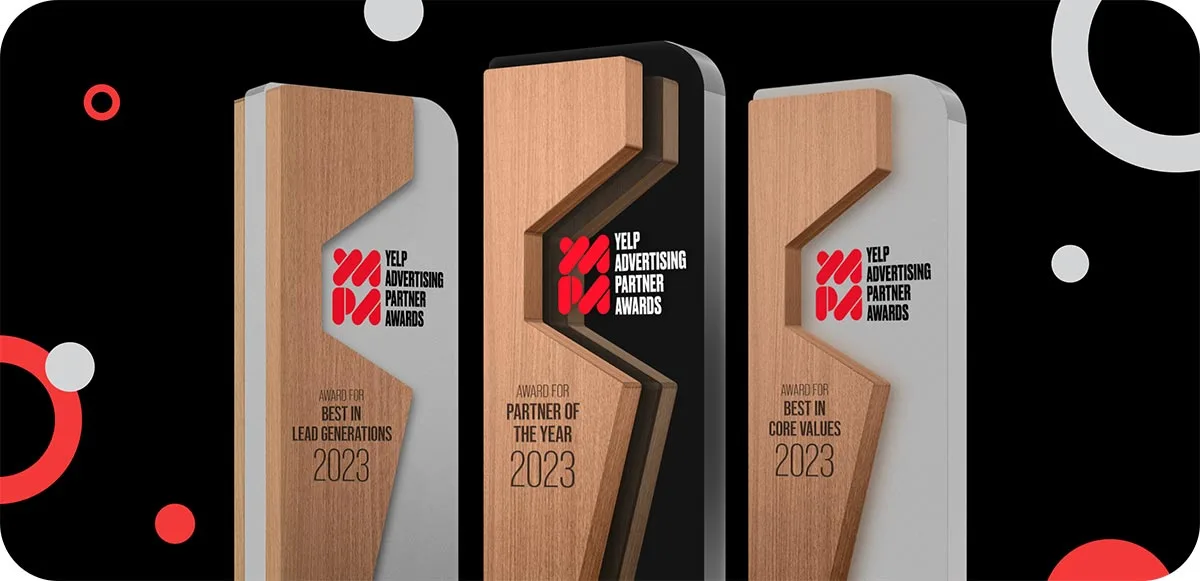
The Results: Shipping 25% Faster and Becoming a Strategic Partner
The implementation of the Creative Operating System had a transformative effect on our team and our relationship with the rest of the company. The shift from a reactive service center to a proactive strategic partner was reflected in both our operational metrics and our team's morale.
The Tangible Business Impact:
- Campaign Delivery Efficiency Increased by 25%: This was our primary success metric. By reducing the cycles of rework, eliminating communication bottlenecks, and clarifying roles from the outset, we were able to deliver final assets for our integrated marketing campaigns an average of 25% faster. This meant our work could get into the market sooner, capitalizing on timely opportunities.
- A 15% Increase in Cross-Functional Team Satisfaction: We conducted quarterly internal surveys. After two quarters with the new system, our "stakeholder satisfaction score"—a measure of how Product, UX, and Marketing teams rated their experience working with Creative—had improved by 15%. They cited "clearer communication," "more strategic input," and a "smoother process" as the key drivers.
- Zero Missed Deadlines in the First Six Months: The new visibility and process rigor meant we could accurately forecast our timelines and manage our capacity. For the first time, we had a predictable and reliable system, which rebuilt trust across the organization.
The Intangible Cultural Impact:
The most profound change was cultural. The creative team was no longer seen as the "people who make things pretty" at the end of the line. They were now perceived as strategic thinkers who were involved from the very beginning. This led to a dramatic increase in team morale and a sense of ownership. Our creatives felt more respected, more integrated, and more impactful because they understood the "why" behind their work. We didn't just build a new workflow; we built a new level of respect for the creative function within the company.

We moved from a series of ad-hoc projects to a single, cohesive Creative Operating System.
Lessons Learned: Three Principles for Scaling Creativity
Building this system from the ground up taught me invaluable lessons about how to scale a creative function within a high-growth organization.
- Your Internal Process Is a Product: You must treat your own workflows with the same rigor and user-centricity as an external-facing product. I had to become the "product manager" for our creative operations. This meant interviewing my "users" (the other departments), identifying their pain points, designing a solution (the new system), and constantly iterating based on their feedback.
- Visibility Solves (Almost) Everything: The single biggest unlock for our team was the creation of the performance and resourcing dashboard. When other teams could see our workload, their requests became more thoughtful. When we could see our own bottlenecks, we could solve them proactively. Making the work visible is the first and most critical step toward making it better.
- A Great Brief is an Act of Empathy: The success of the entire system hinged on redesigning the creative brief. We forced the conversation to start with the user's needs (via Product and UX), which in turn created empathy and a shared sense of purpose. A great brief isn't a list of demands; it's a document that aligns the entire team around a single, user-focused mission.
Ultimately, this project was about more than just flowcharts and software. It was about designing a system that allowed talented people to do their best work with the least amount of friction. It proved that operational rigor isn't the enemy of creativity—it's the framework that allows creativity to thrive at scale.
