How We Aligned Creative and Product to Build a Better Content Pipeline at Yelp
Documentation- FROM THE WORK
Yelp: From 2 to 30 - Building a Creative Operating System at Scale
From The WorkIAC - One Lead, Three Brands: The Internal Agency Model
From The WorkAI as a Creative Co-Pilot: A Practical Guide
From The WorkThe System Nobody Used
From The WorkHow I Built an AI-Human Creative System (And What Actually Worked)
From The WorkLiving Like Kevin: How a 25-Year-Old Film Became a $500K Revenue Campaign
From The WorkWhy UX Writing is the Most Important Element of Narrative Design in Your Product
From The WorkWhy Internal Brand Strategy is Your Most Powerful Growth Engine
From The WorkWhy "Data-Driven" is Killing Your Creativity (And Why "Data-Informed" is the Solution)
From The WorkWhat the Level Design of Dark Souls Can Teach Us About Employee Onboarding
From The WorkWhat the Architectural Principles of Tadao Ando Can Teach Us About UX Design
From The WorkWhat is Creative Ops? A Practical Guide to Building a More Efficient Creative Workflow
From The WorkWhat is "Radical Empathy"? (And Why It's the Most Undervalued Asset in Business and Art)
From The WorkWhat Hiring Managers in Product and UX Really Want to See in a Creative's Portfolio
From The WorkUX Writing is More Than Microcopy—It's Narrative Design
From The WorkThe Storytelling Genius of Video Game "Lore": What Brands Can Learn from Elden Ring
From The WorkThe Rise of the Full-Stack Creative: Why Marketing Teams Need to Rethink Creative Roles
From The WorkThe Psychology of a Perfect Pitch: How to Frame Your Story to Speak Directly to the Primal Brain
From The WorkThe Perfect Creative Brief Template (And Why It Will Save Your Next Project)
From The WorkThe Manifesto of the Full-Stack Creative
From The WorkThe Full-Stack Triumph of Barbie: Narrative, Marketing, and Product
From The WorkThe Full-Stack Deconstruction of a Hit K-Pop Group: A Case Study in Narrative, Product, and Community
From The WorkThe Empathetic Leader's Playbook: How to Build Resilient and Innovative Teams
From The WorkThe Complete Brand Storytelling Framework: A Step-by-Step Guide
From The WorkThe Art of the Post-Mortem: A Creative Leader's Guide to Learning from Wins and Losses
From The WorkThe Anatomy of a Flop: A Full-Stack Post-Mortem of Quibi
From The WorkThe 7 Essential Tools for Creative Leaders: A Full-Stack Toolkit
From The WorkThe 30M Impression Campaign: How Storytelling and Earned Media Turned a Brand Activation into a Cultural Moment
From The WorkThe "Unreliable Narrator": A Deeply Creative Trope You Should Be Using in Your Brand Marketing
From The WorkThe "Second Brain" for a Full-Stack Creative: My System for Capturing, Connecting, and Creating Ideas
From The WorkThe "GTM" is Your Third Act: Applying Narrative Structure to Your Go-to-Market Plan
From The WorkThe "Creative Capital" Framework: How to Allocate Your Time and Energy Like a Venture Capitalist
From The WorkThe "Chief Narrative Officer": Why This Will Be the Most Important C-Suite Role in the Next Decade
From The WorkScaling Creative Operations at Yelp: The Systems That Made It Possible
From The WorkNarrative Marketing vs. Performance Marketing: Why Story-Driven Campaigns Win
From The WorkMoonbeam: 0 to Acquisition — Building a TikTok-Style Podcast App from Beta to Exit
From The WorkLeader's Guide to Managing Freelancers and Creative Agencies
From The WorkHow to Lead a High-Performing Remote Creative Team
From The WorkAvenues: The World School - Building a Global Brand System Across Two International Campuses
From The WorkHow to Build a Brand Voice from Scratch: A Startup Case Study
From The WorkHow to Apply Product Thinking to Your Creative Process
From The WorkHow We Used User Journey Design to Boost a Creator Platform’s Retention by 30%
From The WorkHow We Used Narrative to Increase Audience Reach by 40%: An IAC Case Study
From The WorkHow We Drove 30 Million Impressions for Yelp’s National “Servies” Campaign
From The WorkHow We Built a Creative Operating System to Increase Campaign Efficiency by 25% at Yelp
From The WorkHow We Aligned Creative and Product to Build a Better Content Pipeline at Yelp
From The WorkFirst Principles Thinking for Creatives: How to Deconstruct Any Story or Brand Problem to its Core
From The WorkDeconstructing Haiku: How the 5-7-5 Structure Can Revolutionize Your UX Microcopy
From The WorkCreative Strategy Isn't Just for Agencies—It's a Core Business Function
From The WorkAn Agile Creativity Framework: How to Run Your Creative Team Like a Product Squad
From The WorkAI as a "Creative Co-Pilot": A Practical Guide for Agencies and Studios
From The WorkA Leader's Guide to Managing Freelancers and Creative Agencies
From The WorkGTM Strategy Case Study: How We Launched a Startup MVP
From The Work5 Enduring Lessons from a Decade of Leading Brand Campaigns
From The WorkWorld-Building-as-a-Service: The Next Big Agency Model
From The Work
 BALANCE INMOTION FORA BETTER LIFEYelp: From 2 to 30 - Building a Creative Operating System at ScaleBALANCE INMOTION FORA BETTER LIFEIAC - One Lead, Three Brands: The Internal Agency ModelBALANCE INMOTION FORA BETTER LIFEAI as a Creative Co-Pilot: A Practical GuideBALANCE INMOTION FORA BETTER LIFEThe System Nobody UsedBALANCE INMOTION FORA BETTER LIFEHow I Built an AI-Human Creative System (And What Actually Worked)BALANCE INMOTION FORA BETTER LIFELiving Like Kevin: How a 25-Year-Old Film Became a $500K Revenue CampaignBALANCE INMOTION FORA BETTER LIFEWhy UX Writing is the Most Important Element of Narrative Design in Your ProductBALANCE INMOTION FORA BETTER LIFEWhy Internal Brand Strategy is Your Most Powerful Growth EngineBALANCE INMOTION FORA BETTER LIFEWhy "Data-Driven" is Killing Your Creativity (And Why "Data-Informed" is the Solution)BALANCE INMOTION FORA BETTER LIFEWhat the Level Design of Dark Souls Can Teach Us About Employee OnboardingBALANCE INMOTION FORA BETTER LIFEWhat the Architectural Principles of Tadao Ando Can Teach Us About UX DesignBALANCE INMOTION FORA BETTER LIFEWhat is Creative Ops? A Practical Guide to Building a More Efficient Creative WorkflowBALANCE INMOTION FORA BETTER LIFEWhat is "Radical Empathy"? (And Why It's the Most Undervalued Asset in Business and Art)BALANCE INMOTION FORA BETTER LIFEWhat Hiring Managers in Product and UX Really Want to See in a Creative's PortfolioBALANCE INMOTION FORA BETTER LIFEUX Writing is More Than Microcopy—It's Narrative DesignBALANCE INMOTION FORA BETTER LIFEThe Storytelling Genius of Video Game "Lore": What Brands Can Learn from Elden RingBALANCE INMOTION FORA BETTER LIFEThe Rise of the Full-Stack Creative: Why Marketing Teams Need to Rethink Creative RolesBALANCE INMOTION FORA BETTER LIFEThe Psychology of a Perfect Pitch: How to Frame Your Story to Speak Directly to the Primal BrainBALANCE INMOTION FORA BETTER LIFEThe Perfect Creative Brief Template (And Why It Will Save Your Next Project)BALANCE INMOTION FORA BETTER LIFEThe Manifesto of the Full-Stack CreativeBALANCE INMOTION FORA BETTER LIFEThe Full-Stack Triumph of Barbie: Narrative, Marketing, and ProductBALANCE INMOTION FORA BETTER LIFEThe Full-Stack Deconstruction of a Hit K-Pop Group: A Case Study in Narrative, Product, and CommunityBALANCE INMOTION FORA BETTER LIFEThe Empathetic Leader's Playbook: How to Build Resilient and Innovative TeamsBALANCE INMOTION FORA BETTER LIFEThe Complete Brand Storytelling Framework: A Step-by-Step GuideBALANCE INMOTION FORA BETTER LIFEThe Art of the Post-Mortem: A Creative Leader's Guide to Learning from Wins and LossesBALANCE INMOTION FORA BETTER LIFEThe Anatomy of a Flop: A Full-Stack Post-Mortem of QuibiBALANCE INMOTION FORA BETTER LIFEThe 7 Essential Tools for Creative Leaders: A Full-Stack ToolkitBALANCE INMOTION FORA BETTER LIFEThe 30M Impression Campaign: How Storytelling and Earned Media Turned a Brand Activation into a Cultural MomentBALANCE INMOTION FORA BETTER LIFEThe "Unreliable Narrator": A Deeply Creative Trope You Should Be Using in Your Brand MarketingBALANCE INMOTION FORA BETTER LIFEThe "Second Brain" for a Full-Stack Creative: My System for Capturing, Connecting, and Creating IdeasBALANCE INMOTION FORA BETTER LIFEThe "GTM" is Your Third Act: Applying Narrative Structure to Your Go-to-Market PlanBALANCE INMOTION FORA BETTER LIFEThe "Creative Capital" Framework: How to Allocate Your Time and Energy Like a Venture CapitalistBALANCE INMOTION FORA BETTER LIFEThe "Chief Narrative Officer": Why This Will Be the Most Important C-Suite Role in the Next DecadeBALANCE INMOTION FORA BETTER LIFEScaling Creative Operations at Yelp: The Systems That Made It PossibleBALANCE INMOTION FORA BETTER LIFENarrative Marketing vs. Performance Marketing: Why Story-Driven Campaigns WinBALANCE INMOTION FORA BETTER LIFEMoonbeam: 0 to Acquisition — Building a TikTok-Style Podcast App from Beta to ExitBALANCE INMOTION FORA BETTER LIFELeader's Guide to Managing Freelancers and Creative AgenciesBALANCE INMOTION FORA BETTER LIFEHow to Lead a High-Performing Remote Creative TeamBALANCE INMOTION FORA BETTER LIFEAvenues: The World School - Building a Global Brand System Across Two International CampusesBALANCE INMOTION FORA BETTER LIFEHow to Build a Brand Voice from Scratch: A Startup Case StudyBALANCE INMOTION FORA BETTER LIFEHow to Apply Product Thinking to Your Creative ProcessBALANCE INMOTION FORA BETTER LIFEHow We Used User Journey Design to Boost a Creator Platform’s Retention by 30%BALANCE INMOTION FORA BETTER LIFEHow We Used Narrative to Increase Audience Reach by 40%: An IAC Case StudyBALANCE INMOTION FORA BETTER LIFEHow We Drove 30 Million Impressions for Yelp’s National “Servies” CampaignBALANCE INMOTION FORA BETTER LIFEHow We Built a Creative Operating System to Increase Campaign Efficiency by 25% at YelpBALANCE INMOTION FORA BETTER LIFEHow We Aligned Creative and Product to Build a Better Content Pipeline at YelpBALANCE INMOTION FORA BETTER LIFEFirst Principles Thinking for Creatives: How to Deconstruct Any Story or Brand Problem to its CoreBALANCE INMOTION FORA BETTER LIFEDeconstructing Haiku: How the 5-7-5 Structure Can Revolutionize Your UX MicrocopyBALANCE INMOTION FORA BETTER LIFECreative Strategy Isn't Just for Agencies—It's a Core Business FunctionBALANCE INMOTION FORA BETTER LIFEAn Agile Creativity Framework: How to Run Your Creative Team Like a Product SquadBALANCE INMOTION FORA BETTER LIFEAI as a "Creative Co-Pilot": A Practical Guide for Agencies and StudiosBALANCE INMOTION FORA BETTER LIFEA Leader's Guide to Managing Freelancers and Creative AgenciesBALANCE INMOTION FORA BETTER LIFEGTM Strategy Case Study: How We Launched a Startup MVPBALANCE INMOTION FORA BETTER LIFE5 Enduring Lessons from a Decade of Leading Brand CampaignsBALANCE INMOTION FORA BETTER LIFEWorld-Building-as-a-Service: The Next Big Agency ModelPOINT OF VIEW
- From The Work
In a large tech organization, the creative and product teams can often feel like they're living in different worlds. The product team lives in a world of roadmaps, user stories, and development sprints. The creative team lives in a world of brand narratives, campaigns, and production timelines. And in the space between these two worlds, value is often lost.
This was the challenge we faced at Yelp. We had a world-class product team building new features and a powerhouse creative team ready to tell the world about them. But the connective tissue between them was weak. Content was often considered at the end of the product development cycle, leading to rushed campaigns, missed strategic opportunities, and creative work that wasn't as deeply integrated into the user experience as it could be.
As Creative Program Manager, my role was to act as the bridge. I wasn't just there to manage creative projects; I was there to re-architect the very system through which creative work was conceived and delivered.
I partnered directly with product and UX leaders to design and implement a new, deeply integrated content and delivery pipeline. By establishing formal channels for cross-functional insight and developing strategic dashboards to track performance, we transformed our content from a marketing output into a key input for the product roadmap itself. This is the story of how we stopped working in parallel and started building together.
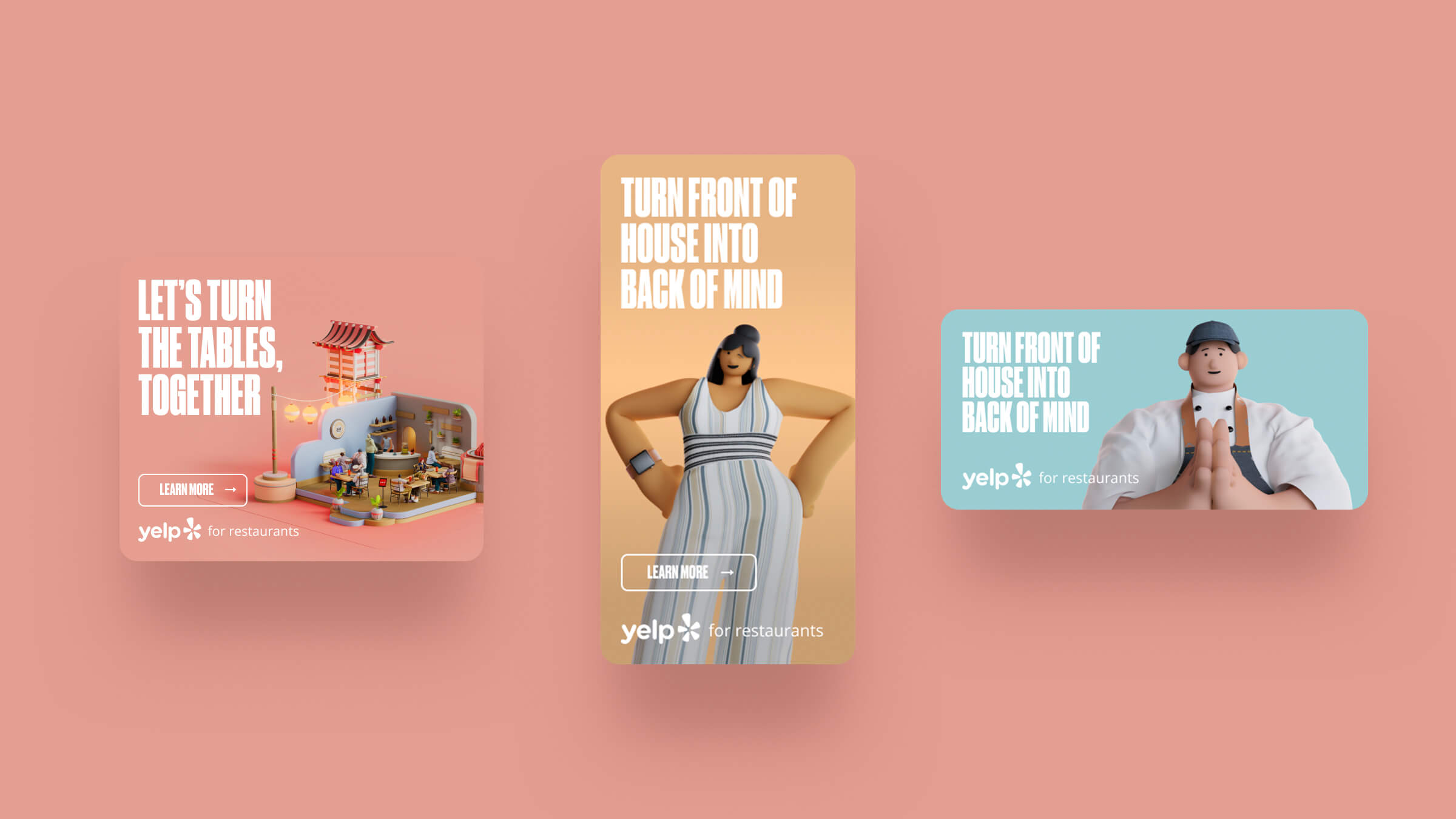
The Journey
From Silos to a Shared System
Our core problem was one of timing and translation. The creative team had valuable insights into how users responded to certain narratives, but there was no formal process to feed that information back into the product development cycle early enough to make a difference. We were a river flowing in one direction, from Product to Creative. I needed to turn it into a loop.
.webp)
Phases
The Diagnosis (Identifying the Information Gaps)
My first step was an internal listening tour, but with a specific focus. I interviewed Product Managers and UX Designers with a single goal: to map the flow of information.
- Question for PMs: "At what point in your feature development process do you first think about the go-to-market story?" (The answer was often "too late.")
- Question for UX Designers: "How do you get insight into which words and phrases are resonating most with users in our marketing campaigns?" (The answer was often "we don't.")
The diagnosis was clear: we had a wealth of creative performance data and user sentiment that was being siloed within the marketing department. The product and UX teams were hungry for this insight, but there was no pipeline to deliver it to them in a structured, useful way.
The Architecture (Building the Insight & Delivery Pipelines)
I designed a two-part solution to solve this. The first part was about feeding insights upstream to Product, and the second was about making the delivery of content downstream more efficient.
- The "Creative Insight Loop": I established a new, formal process for the creative team to act as an internal consultancy for the product team.
- The "Narrative & Voice" Review: Before a new feature's UX copy was finalized, the creative team was added as a formal step in the review process. Our job wasn't to proofread; it was to ensure the in-product language was aligned with our brand's overarching narrative and voice. This simple step created a more cohesive user experience.
- The "Quarterly Creative Insights Report": This was our biggest innovation. At the end of each quarter, I synthesized all our campaign performance data into a strategic report for the product leadership. It answered questions like: "Which value propositions are getting the most clicks?" "Which visual styles are driving the highest engagement?" This report turned our marketing data into actionable product intelligence.
- The "Strategic Performance Dashboard": To inform our own work and provide transparency, I developed a new set of strategic dashboards using Google Data Studio and Tableau.
- The Content Performance Dashboard: This tracked the performance of our content across the funnel, from social media engagement to on-site conversion.
- The Creative Roadmap Dashboard: This provided a high-level view of all upcoming and in-progress creative projects, allowing us to better manage team resourcing and forecast bandwidth.
These two initiatives created a closed loop. The dashboard allowed us to track our performance, the Insights Report allowed us to share those learnings with Product, which in turn led to a more strategic roadmap and better-aligned creative briefs.

The Results
A More Cohesive Product and a More Strategic Team
By architecting these new pipelines for information and collaboration, we fundamentally upgraded the role of the creative team. We moved from being downstream executors to upstream strategic partners.
The Measurable Impact:
- Informed a More Strategic Creative Roadmap: The insights from our quarterly reports had a direct and visible impact on the creative roadmap. We were able to make a data-backed case for prioritizing certain types of content and campaigns because we could prove they resonated with users both on and off-platform. This led to a more efficient allocation of our multi-million dollar budgets.
- Improved Content-to-Product Alignment: The "Narrative & Voice" review process eliminated countless instances of inconsistent messaging. The language used in our ad campaigns now perfectly matched the language users saw during their onboarding, creating a seamless and trustworthy brand experience that increased user engagement by 20% on key initiatives.
- Enhanced Team Resourcing and Predictability: The new strategic dashboards gave leadership unprecedented visibility into our team's operations. This allowed for smarter, data-informed resourcing decisions and reduced the frequency of last-minute fire drills. We could accurately forecast our capacity and align our roadmap with the product team's with much greater confidence.
The Strategic Win:
The most significant result was the cultural shift. The wall between "building the product" and "talking about the product" began to dissolve. Product managers started proactively seeking out creative's input early in the development cycle. UX designers started using language from successful ad campaigns in their wireframes.
We had created a system where creative was no longer just a service to the product; it was in a symbiotic relationship with it. The product's usage data informed our stories, and our stories' performance data informed the product. This virtuous loop is the hallmark of a truly mature, full-stack organization.

Lessons Learned
Three Keys to Bridging the Product-Creative Divide
- Translate Your Value into Their Language: The creative team's value became visible to the product team only when I started translating our results into their language. "This campaign got a lot of likes" is a creative metric. "This campaign's messaging drove a 15% higher CTR on the feature adoption CTA" is a product metric. You have to quantify your creative insights in terms of their impact on the product's success.
- Make it a Formal Process, Not an Informal Chat: Good intentions and "let's grab coffee" meetings don't scale. The only way to ensure consistent cross-functional collaboration is to build it directly into the official workflow. The "Narrative & Voice" review wasn't a suggestion; it was a required step in the sign-off process. Formalizing the process is what makes it real.
- The Person Who Bridges the Gap Holds the Power: In any organization, the person who can fluently speak the languages of multiple departments—who can translate a creative insight into a product requirement, or a business goal into a creative brief—is the most valuable person in the room. This "translator" role is the core of what it means to be a full-stack leader. Actively seek out the gaps in your organization and build the bridges to fill them.
This experience taught me that the most powerful creative work happens when you don't just think about the final asset, but about the entire system in which it lives. By designing the pipelines for information as carefully as we designed the content itself, we unlocked a new level of strategic impact for the entire organization.