How to Build a Brand Voice from Scratch: A Startup Case Study
Documentation- FROM THE WORK
Yelp: From 2 to 30 - Building a Creative Operating System at Scale
From The WorkIAC - One Lead, Three Brands: The Internal Agency Model
From The WorkAI as a Creative Co-Pilot: A Practical Guide
From The WorkThe System Nobody Used
From The WorkHow I Built an AI-Human Creative System (And What Actually Worked)
From The WorkLiving Like Kevin: How a 25-Year-Old Film Became a $500K Revenue Campaign
From The WorkWhy UX Writing is the Most Important Element of Narrative Design in Your Product
From The WorkWhy Internal Brand Strategy is Your Most Powerful Growth Engine
From The WorkWhy "Data-Driven" is Killing Your Creativity (And Why "Data-Informed" is the Solution)
From The WorkWhat the Level Design of Dark Souls Can Teach Us About Employee Onboarding
From The WorkWhat the Architectural Principles of Tadao Ando Can Teach Us About UX Design
From The WorkWhat is Creative Ops? A Practical Guide to Building a More Efficient Creative Workflow
From The WorkWhat is "Radical Empathy"? (And Why It's the Most Undervalued Asset in Business and Art)
From The WorkWhat Hiring Managers in Product and UX Really Want to See in a Creative's Portfolio
From The WorkUX Writing is More Than Microcopy—It's Narrative Design
From The WorkThe Storytelling Genius of Video Game "Lore": What Brands Can Learn from Elden Ring
From The WorkThe Rise of the Full-Stack Creative: Why Marketing Teams Need to Rethink Creative Roles
From The WorkThe Psychology of a Perfect Pitch: How to Frame Your Story to Speak Directly to the Primal Brain
From The WorkThe Perfect Creative Brief Template (And Why It Will Save Your Next Project)
From The WorkThe Manifesto of the Full-Stack Creative
From The WorkThe Full-Stack Triumph of Barbie: Narrative, Marketing, and Product
From The WorkThe Full-Stack Deconstruction of a Hit K-Pop Group: A Case Study in Narrative, Product, and Community
From The WorkThe Empathetic Leader's Playbook: How to Build Resilient and Innovative Teams
From The WorkThe Complete Brand Storytelling Framework: A Step-by-Step Guide
From The WorkThe Art of the Post-Mortem: A Creative Leader's Guide to Learning from Wins and Losses
From The WorkThe Anatomy of a Flop: A Full-Stack Post-Mortem of Quibi
From The WorkThe 7 Essential Tools for Creative Leaders: A Full-Stack Toolkit
From The WorkThe 30M Impression Campaign: How Storytelling and Earned Media Turned a Brand Activation into a Cultural Moment
From The WorkThe "Unreliable Narrator": A Deeply Creative Trope You Should Be Using in Your Brand Marketing
From The WorkThe "Second Brain" for a Full-Stack Creative: My System for Capturing, Connecting, and Creating Ideas
From The WorkThe "GTM" is Your Third Act: Applying Narrative Structure to Your Go-to-Market Plan
From The WorkThe "Creative Capital" Framework: How to Allocate Your Time and Energy Like a Venture Capitalist
From The WorkThe "Chief Narrative Officer": Why This Will Be the Most Important C-Suite Role in the Next Decade
From The WorkScaling Creative Operations at Yelp: The Systems That Made It Possible
From The WorkNarrative Marketing vs. Performance Marketing: Why Story-Driven Campaigns Win
From The WorkMoonbeam: 0 to Acquisition — Building a TikTok-Style Podcast App from Beta to Exit
From The WorkLeader's Guide to Managing Freelancers and Creative Agencies
From The WorkHow to Lead a High-Performing Remote Creative Team
From The WorkAvenues: The World School - Building a Global Brand System Across Two International Campuses
From The WorkHow to Build a Brand Voice from Scratch: A Startup Case Study
From The WorkHow to Apply Product Thinking to Your Creative Process
From The WorkHow We Used User Journey Design to Boost a Creator Platform’s Retention by 30%
From The WorkHow We Used Narrative to Increase Audience Reach by 40%: An IAC Case Study
From The WorkHow We Drove 30 Million Impressions for Yelp’s National “Servies” Campaign
From The WorkHow We Built a Creative Operating System to Increase Campaign Efficiency by 25% at Yelp
From The WorkHow We Aligned Creative and Product to Build a Better Content Pipeline at Yelp
From The WorkFirst Principles Thinking for Creatives: How to Deconstruct Any Story or Brand Problem to its Core
From The WorkDeconstructing Haiku: How the 5-7-5 Structure Can Revolutionize Your UX Microcopy
From The WorkCreative Strategy Isn't Just for Agencies—It's a Core Business Function
From The WorkAn Agile Creativity Framework: How to Run Your Creative Team Like a Product Squad
From The WorkAI as a "Creative Co-Pilot": A Practical Guide for Agencies and Studios
From The WorkA Leader's Guide to Managing Freelancers and Creative Agencies
From The WorkGTM Strategy Case Study: How We Launched a Startup MVP
From The Work5 Enduring Lessons from a Decade of Leading Brand Campaigns
From The WorkWorld-Building-as-a-Service: The Next Big Agency Model
From The Work
 BALANCE INMOTION FORA BETTER LIFEYelp: From 2 to 30 - Building a Creative Operating System at ScaleBALANCE INMOTION FORA BETTER LIFEIAC - One Lead, Three Brands: The Internal Agency ModelBALANCE INMOTION FORA BETTER LIFEAI as a Creative Co-Pilot: A Practical GuideBALANCE INMOTION FORA BETTER LIFEThe System Nobody UsedBALANCE INMOTION FORA BETTER LIFEHow I Built an AI-Human Creative System (And What Actually Worked)BALANCE INMOTION FORA BETTER LIFELiving Like Kevin: How a 25-Year-Old Film Became a $500K Revenue CampaignBALANCE INMOTION FORA BETTER LIFEWhy UX Writing is the Most Important Element of Narrative Design in Your ProductBALANCE INMOTION FORA BETTER LIFEWhy Internal Brand Strategy is Your Most Powerful Growth EngineBALANCE INMOTION FORA BETTER LIFEWhy "Data-Driven" is Killing Your Creativity (And Why "Data-Informed" is the Solution)BALANCE INMOTION FORA BETTER LIFEWhat the Level Design of Dark Souls Can Teach Us About Employee OnboardingBALANCE INMOTION FORA BETTER LIFEWhat the Architectural Principles of Tadao Ando Can Teach Us About UX DesignBALANCE INMOTION FORA BETTER LIFEWhat is Creative Ops? A Practical Guide to Building a More Efficient Creative WorkflowBALANCE INMOTION FORA BETTER LIFEWhat is "Radical Empathy"? (And Why It's the Most Undervalued Asset in Business and Art)BALANCE INMOTION FORA BETTER LIFEWhat Hiring Managers in Product and UX Really Want to See in a Creative's PortfolioBALANCE INMOTION FORA BETTER LIFEUX Writing is More Than Microcopy—It's Narrative DesignBALANCE INMOTION FORA BETTER LIFEThe Storytelling Genius of Video Game "Lore": What Brands Can Learn from Elden RingBALANCE INMOTION FORA BETTER LIFEThe Rise of the Full-Stack Creative: Why Marketing Teams Need to Rethink Creative RolesBALANCE INMOTION FORA BETTER LIFEThe Psychology of a Perfect Pitch: How to Frame Your Story to Speak Directly to the Primal BrainBALANCE INMOTION FORA BETTER LIFEThe Perfect Creative Brief Template (And Why It Will Save Your Next Project)BALANCE INMOTION FORA BETTER LIFEThe Manifesto of the Full-Stack CreativeBALANCE INMOTION FORA BETTER LIFEThe Full-Stack Triumph of Barbie: Narrative, Marketing, and ProductBALANCE INMOTION FORA BETTER LIFEThe Full-Stack Deconstruction of a Hit K-Pop Group: A Case Study in Narrative, Product, and CommunityBALANCE INMOTION FORA BETTER LIFEThe Empathetic Leader's Playbook: How to Build Resilient and Innovative TeamsBALANCE INMOTION FORA BETTER LIFEThe Complete Brand Storytelling Framework: A Step-by-Step GuideBALANCE INMOTION FORA BETTER LIFEThe Art of the Post-Mortem: A Creative Leader's Guide to Learning from Wins and LossesBALANCE INMOTION FORA BETTER LIFEThe Anatomy of a Flop: A Full-Stack Post-Mortem of QuibiBALANCE INMOTION FORA BETTER LIFEThe 7 Essential Tools for Creative Leaders: A Full-Stack ToolkitBALANCE INMOTION FORA BETTER LIFEThe 30M Impression Campaign: How Storytelling and Earned Media Turned a Brand Activation into a Cultural MomentBALANCE INMOTION FORA BETTER LIFEThe "Unreliable Narrator": A Deeply Creative Trope You Should Be Using in Your Brand MarketingBALANCE INMOTION FORA BETTER LIFEThe "Second Brain" for a Full-Stack Creative: My System for Capturing, Connecting, and Creating IdeasBALANCE INMOTION FORA BETTER LIFEThe "GTM" is Your Third Act: Applying Narrative Structure to Your Go-to-Market PlanBALANCE INMOTION FORA BETTER LIFEThe "Creative Capital" Framework: How to Allocate Your Time and Energy Like a Venture CapitalistBALANCE INMOTION FORA BETTER LIFEThe "Chief Narrative Officer": Why This Will Be the Most Important C-Suite Role in the Next DecadeBALANCE INMOTION FORA BETTER LIFEScaling Creative Operations at Yelp: The Systems That Made It PossibleBALANCE INMOTION FORA BETTER LIFENarrative Marketing vs. Performance Marketing: Why Story-Driven Campaigns WinBALANCE INMOTION FORA BETTER LIFEMoonbeam: 0 to Acquisition — Building a TikTok-Style Podcast App from Beta to ExitBALANCE INMOTION FORA BETTER LIFELeader's Guide to Managing Freelancers and Creative AgenciesBALANCE INMOTION FORA BETTER LIFEHow to Lead a High-Performing Remote Creative TeamBALANCE INMOTION FORA BETTER LIFEAvenues: The World School - Building a Global Brand System Across Two International CampusesBALANCE INMOTION FORA BETTER LIFEHow to Build a Brand Voice from Scratch: A Startup Case StudyBALANCE INMOTION FORA BETTER LIFEHow to Apply Product Thinking to Your Creative ProcessBALANCE INMOTION FORA BETTER LIFEHow We Used User Journey Design to Boost a Creator Platform’s Retention by 30%BALANCE INMOTION FORA BETTER LIFEHow We Used Narrative to Increase Audience Reach by 40%: An IAC Case StudyBALANCE INMOTION FORA BETTER LIFEHow We Drove 30 Million Impressions for Yelp’s National “Servies” CampaignBALANCE INMOTION FORA BETTER LIFEHow We Built a Creative Operating System to Increase Campaign Efficiency by 25% at YelpBALANCE INMOTION FORA BETTER LIFEHow We Aligned Creative and Product to Build a Better Content Pipeline at YelpBALANCE INMOTION FORA BETTER LIFEFirst Principles Thinking for Creatives: How to Deconstruct Any Story or Brand Problem to its CoreBALANCE INMOTION FORA BETTER LIFEDeconstructing Haiku: How the 5-7-5 Structure Can Revolutionize Your UX MicrocopyBALANCE INMOTION FORA BETTER LIFECreative Strategy Isn't Just for Agencies—It's a Core Business FunctionBALANCE INMOTION FORA BETTER LIFEAn Agile Creativity Framework: How to Run Your Creative Team Like a Product SquadBALANCE INMOTION FORA BETTER LIFEAI as a "Creative Co-Pilot": A Practical Guide for Agencies and StudiosBALANCE INMOTION FORA BETTER LIFEA Leader's Guide to Managing Freelancers and Creative AgenciesBALANCE INMOTION FORA BETTER LIFEGTM Strategy Case Study: How We Launched a Startup MVPBALANCE INMOTION FORA BETTER LIFE5 Enduring Lessons from a Decade of Leading Brand CampaignsBALANCE INMOTION FORA BETTER LIFEWorld-Building-as-a-Service: The Next Big Agency ModelPOINT OF VIEW
- Framework
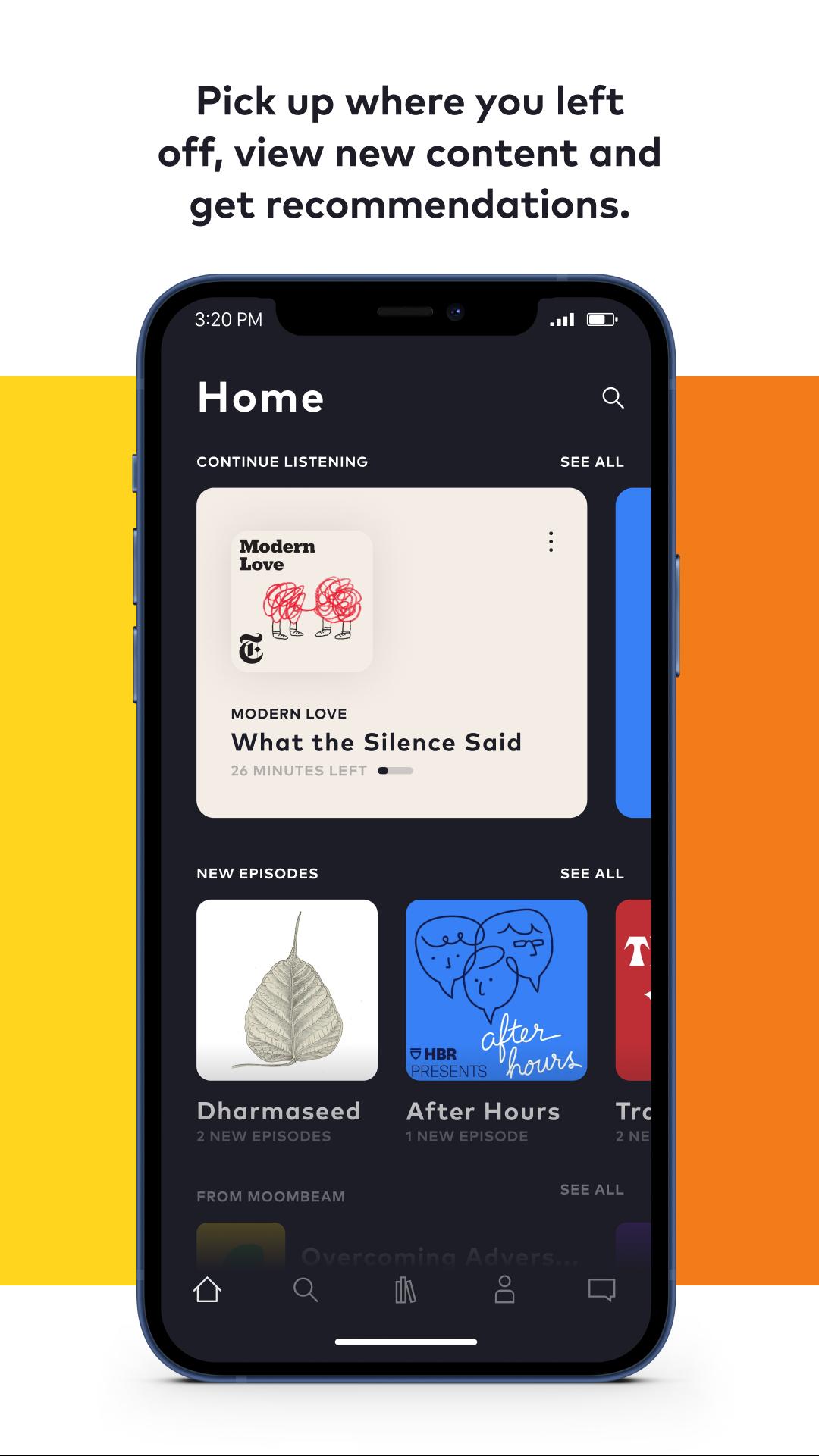
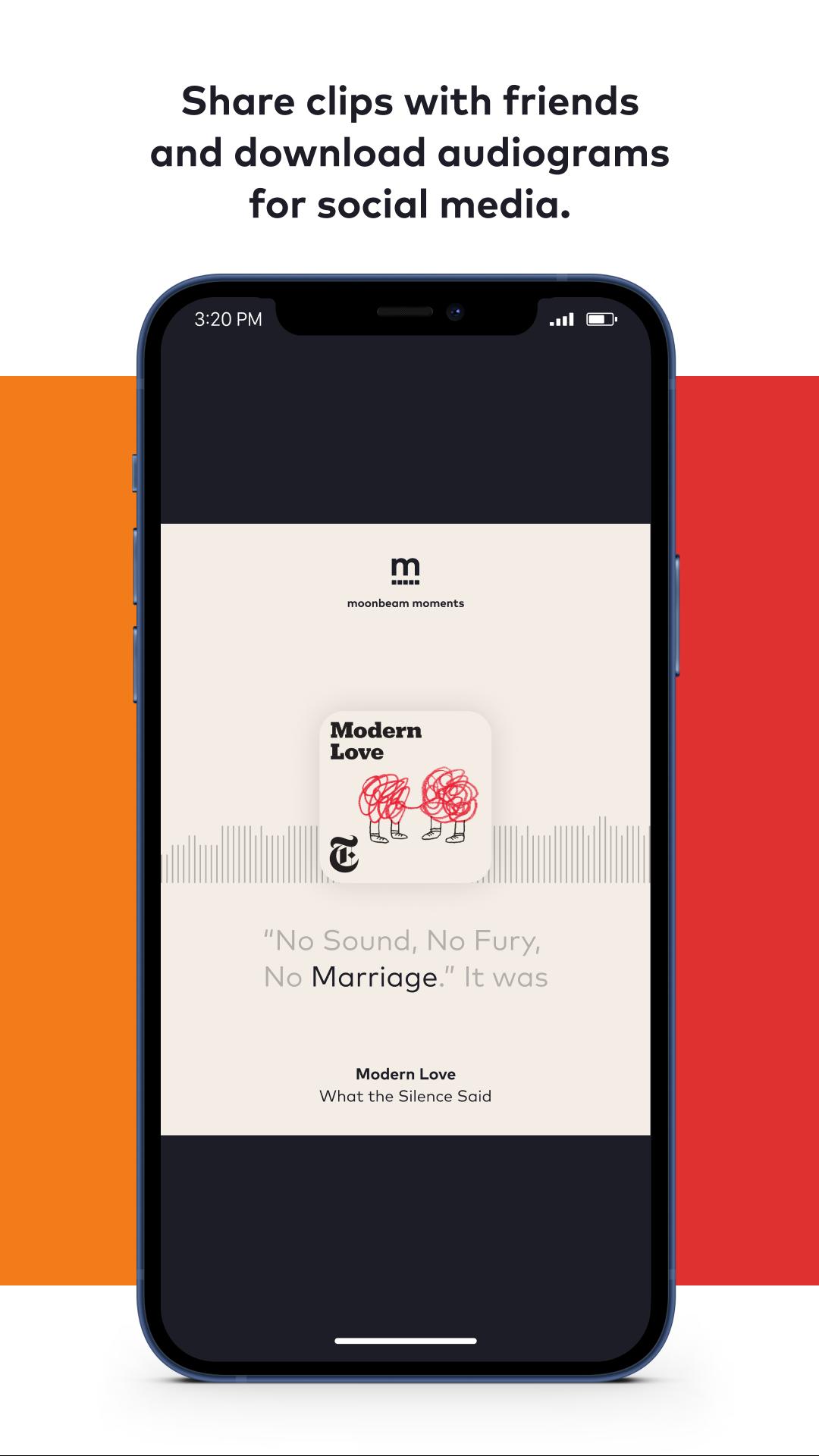
How do you give a startup a soul? When a company is brand new, it isn't just looking for a logo or a color palette; it's searching for its voice, its identity, and its core narrative. This was the challenge at Moonbeam, an early-stage creator platform I joined as Curation Director. We had a brilliant product vision and a growing beta community, but we lacked a cohesive brand identity. Our messaging was inconsistent, our tone was undefined, and our visual language didn't yet reflect the vibrant community we were trying to build.
My mission was to lead the development of Moonbeam's foundational brand identity. This was a "zero to one" project. It wasn't about optimizing an existing brand; it was about excavating the company's core truth and translating it into a tangible, scalable system for communication.
Over a single quarter, I led a collaborative process with leadership to define the brand's core narrative, voice, tone, and messaging pillars. This new identity became the bedrock of our content marketing strategy, boosting our social reach by 35% and serving as the foundation for the user journey redesign that would later increase platform retention by 30%. This is the story of how we found Moonbeam's voice.
.jpeg)
Building a brand is like writing a character. Before you can know what they say, you have to know who they are.
The Journey: The Brand as a Character
Building a brand is like writing a character. Before you can know what they say (messaging) or how they look (visuals), you have to know who they are. My process was built on this foundational principle of character development.
Phase 1: The Discovery (The Character's Backstory)
I began not with design, but with questions. I facilitated a series of workshops with the company's founders and key stakeholders. These weren't typical marketing meetings; they were deep, probing interviews designed to unearth the company's DNA.
We used a framework I developed called the "Brand Archetype Matrix," asking questions like:
- If our brand walked into a party, who would it talk to? What would it wear?
- What is the one thing our brand believes that no one else does? (Our "Unconventional Truth")
- What is our brand's greatest fear? (e.g., "That our creators will feel isolated.")
- Who is our brand's "enemy"? (Not a competitor, but an idea, like "Creative Gatekeeping" or "The Myth of the Lone Genius.")
The answers to these questions were incredibly revealing. A clear personality emerged: Moonbeam was not a slick, corporate "platform." It was a passionate, supportive "collaborator." It was the encouraging and knowledgeable peer who believed in your potential, not the intimidating industry guru.
Phase 2: The Codification (The Character's Voice)
With a clear character defined, the next step was to codify its voice. I translated the insights from the discovery phase into a formal Brand Voice & Tone Guide. This became our internal rulebook for all communication.
The guide was built on a simple, actionable matrix: "We are... / We are not..."
AttributeWe ARE...We ARE NOT...On KnowledgeAn enthusiastic peerA condescending guruOn ToneEncouraging & PassionateCorporate & SterileOn CommunityCollaborative & InclusiveAspirational & ExclusiveOn HumorWitty & Self-awareSnarky & Cynical
This guide also included a Brand Lexicon (words we use, like "collaboration," "spark," "community," and words we avoid, like "synergy," "platform," "users") and practical examples of the voice in action, from UX microcopy ("Let's get started!") to social media captions. This document was the key to empowering our entire team to communicate with a single, consistent voice.
Phase 3: The Expression (The Character's Wardrobe)
Only after the character and voice were defined did we move to the visual identity. I collaborated with our design lead to ensure the visuals were a direct expression of our newly defined personality.
- Color Palette: We chose a warm, energetic, and accessible color palette that felt more like a creative's notebook than a tech platform.
- Typography: We selected fonts that felt modern but also personal and slightly quirky, avoiding the cold, geometric sans-serifs common in the tech world.
- Imagery: We made a crucial decision to ban generic stock photography. Our visual language would be built on illustrations and, more importantly, on showcasing the real work of our actual community members.
This three-phase process—Discover, Codify, Express—ensured that our brand identity was not a superficial layer of paint. It was an authentic expression of the company's core mission, built from the inside out.
The Results: A Cohesive Identity that Fueled Growth
The establishment of a clear, codified brand identity acted as a powerful accelerant for the entire business. It provided the clarity and consistency we needed to scale our marketing efforts and deepen our connection with the user base.
The Metrics of a Strong Foundation:
- Social Reach Boosted by 35%: With a newly defined, consistent, and more engaging voice, our content marketing strategy found its footing. Our social media engagement and follower growth accelerated, leading to a 35% increase in overall social reach in the quarter following the brand rollout. Our content was now recognizable and resonant.
- Foundation for a 30% Retention Lift: This brand work was the essential precursor to our successful user journey redesign. The "Collaborator" persona we defined became the North Star for all UX writing and communication touchpoints. The empathetic, encouraging voice we codified was the key to making the new feedback and content loops feel authentic and engaging, directly contributing to the subsequent 30% increase in user retention.
- Internal Alignment and Efficiency: The Brand Voice & Tone Guide became one of the most used documents in the company. It dramatically reduced the time spent debating copy and design choices. It empowered every team member, from marketing to product to support, to communicate with a unified voice, creating a more cohesive and professional user experience across the board.
The Strategic Win:
By investing in this foundational brand work, we did more than just create a style guide. We created a strategic asset. We built a brand that our audience could form a genuine emotional connection with. This wasn't just a platform anymore; it was a partner. This deep sense of brand loyalty and trust was the bedrock upon which all our future growth—in audience, retention, and eventually revenue—was built.

Lessons Learned
Three Truths About Building a Brand's Soul
- Identity Precedes Expression: The most common mistake startups make is choosing a logo and a color before they know who they are. This project proved that a successful brand is built from the inside out. You must codify your mission, your values, and your personality before you ever touch a design file. The "why" always comes before the "what."
- A Brand Guide is an Empowerment Tool, Not a Straitjacket: Some creatives fear that brand guidelines will stifle their creativity. We found the opposite to be true. By providing a clear framework and a consistent voice, the brand guide actually liberated our team. It removed ambiguity and gave them the confidence to create, knowing they were building on a solid, strategic foundation.
- Your Brand's "Enemy" is Your Most Powerful Storytelling Asset: The most clarifying exercise in our discovery phase was defining our brand's "enemy"—the idea we were fighting against. For us, it was "Creative Gatekeeping." This single concept gave us a powerful, unifying narrative. Every piece of content, every feature we built, became an act of rebellion against that enemy. A brand that stands for something is good, but a brand that stands against something is unforgettable.
Building a brand from zero is a rare and rewarding challenge. It's an act of turning abstract beliefs into a tangible, living personality that can connect with thousands of people. It's the ultimate exercise in strategic storytelling.