5 Enduring Lessons from a Decade of Leading Brand Campaigns
Documentation- FROM THE WORK
Yelp: From 2 to 30 - Building a Creative Operating System at Scale
From The WorkIAC - One Lead, Three Brands: The Internal Agency Model
From The WorkAI as a Creative Co-Pilot: A Practical Guide
From The WorkThe System Nobody Used
From The WorkHow I Built an AI-Human Creative System (And What Actually Worked)
From The WorkLiving Like Kevin: How a 25-Year-Old Film Became a $500K Revenue Campaign
From The WorkWhy UX Writing is the Most Important Element of Narrative Design in Your Product
From The WorkWhy Internal Brand Strategy is Your Most Powerful Growth Engine
From The WorkWhy "Data-Driven" is Killing Your Creativity (And Why "Data-Informed" is the Solution)
From The WorkWhat the Level Design of Dark Souls Can Teach Us About Employee Onboarding
From The WorkWhat the Architectural Principles of Tadao Ando Can Teach Us About UX Design
From The WorkWhat is Creative Ops? A Practical Guide to Building a More Efficient Creative Workflow
From The WorkWhat is "Radical Empathy"? (And Why It's the Most Undervalued Asset in Business and Art)
From The WorkWhat Hiring Managers in Product and UX Really Want to See in a Creative's Portfolio
From The WorkUX Writing is More Than Microcopy—It's Narrative Design
From The WorkThe Storytelling Genius of Video Game "Lore": What Brands Can Learn from Elden Ring
From The WorkThe Rise of the Full-Stack Creative: Why Marketing Teams Need to Rethink Creative Roles
From The WorkThe Psychology of a Perfect Pitch: How to Frame Your Story to Speak Directly to the Primal Brain
From The WorkThe Perfect Creative Brief Template (And Why It Will Save Your Next Project)
From The WorkThe Manifesto of the Full-Stack Creative
From The WorkThe Full-Stack Triumph of Barbie: Narrative, Marketing, and Product
From The WorkThe Full-Stack Deconstruction of a Hit K-Pop Group: A Case Study in Narrative, Product, and Community
From The WorkThe Empathetic Leader's Playbook: How to Build Resilient and Innovative Teams
From The WorkThe Complete Brand Storytelling Framework: A Step-by-Step Guide
From The WorkThe Art of the Post-Mortem: A Creative Leader's Guide to Learning from Wins and Losses
From The WorkThe Anatomy of a Flop: A Full-Stack Post-Mortem of Quibi
From The WorkThe 7 Essential Tools for Creative Leaders: A Full-Stack Toolkit
From The WorkThe 30M Impression Campaign: How Storytelling and Earned Media Turned a Brand Activation into a Cultural Moment
From The WorkThe "Unreliable Narrator": A Deeply Creative Trope You Should Be Using in Your Brand Marketing
From The WorkThe "Second Brain" for a Full-Stack Creative: My System for Capturing, Connecting, and Creating Ideas
From The WorkThe "GTM" is Your Third Act: Applying Narrative Structure to Your Go-to-Market Plan
From The WorkThe "Creative Capital" Framework: How to Allocate Your Time and Energy Like a Venture Capitalist
From The WorkThe "Chief Narrative Officer": Why This Will Be the Most Important C-Suite Role in the Next Decade
From The WorkScaling Creative Operations at Yelp: The Systems That Made It Possible
From The WorkNarrative Marketing vs. Performance Marketing: Why Story-Driven Campaigns Win
From The WorkMoonbeam: 0 to Acquisition — Building a TikTok-Style Podcast App from Beta to Exit
From The WorkLeader's Guide to Managing Freelancers and Creative Agencies
From The WorkHow to Lead a High-Performing Remote Creative Team
From The WorkAvenues: The World School - Building a Global Brand System Across Two International Campuses
From The WorkHow to Build a Brand Voice from Scratch: A Startup Case Study
From The WorkHow to Apply Product Thinking to Your Creative Process
From The WorkHow We Used User Journey Design to Boost a Creator Platform’s Retention by 30%
From The WorkHow We Used Narrative to Increase Audience Reach by 40%: An IAC Case Study
From The WorkHow We Drove 30 Million Impressions for Yelp’s National “Servies” Campaign
From The WorkHow We Built a Creative Operating System to Increase Campaign Efficiency by 25% at Yelp
From The WorkHow We Aligned Creative and Product to Build a Better Content Pipeline at Yelp
From The WorkFirst Principles Thinking for Creatives: How to Deconstruct Any Story or Brand Problem to its Core
From The WorkDeconstructing Haiku: How the 5-7-5 Structure Can Revolutionize Your UX Microcopy
From The WorkCreative Strategy Isn't Just for Agencies—It's a Core Business Function
From The WorkAn Agile Creativity Framework: How to Run Your Creative Team Like a Product Squad
From The WorkAI as a "Creative Co-Pilot": A Practical Guide for Agencies and Studios
From The WorkA Leader's Guide to Managing Freelancers and Creative Agencies
From The WorkGTM Strategy Case Study: How We Launched a Startup MVP
From The Work5 Enduring Lessons from a Decade of Leading Brand Campaigns
From The WorkWorld-Building-as-a-Service: The Next Big Agency Model
From The Work
 BALANCE INMOTION FORA BETTER LIFEYelp: From 2 to 30 - Building a Creative Operating System at ScaleBALANCE INMOTION FORA BETTER LIFEIAC - One Lead, Three Brands: The Internal Agency ModelBALANCE INMOTION FORA BETTER LIFEAI as a Creative Co-Pilot: A Practical GuideBALANCE INMOTION FORA BETTER LIFEThe System Nobody UsedBALANCE INMOTION FORA BETTER LIFEHow I Built an AI-Human Creative System (And What Actually Worked)BALANCE INMOTION FORA BETTER LIFELiving Like Kevin: How a 25-Year-Old Film Became a $500K Revenue CampaignBALANCE INMOTION FORA BETTER LIFEWhy UX Writing is the Most Important Element of Narrative Design in Your ProductBALANCE INMOTION FORA BETTER LIFEWhy Internal Brand Strategy is Your Most Powerful Growth EngineBALANCE INMOTION FORA BETTER LIFEWhy "Data-Driven" is Killing Your Creativity (And Why "Data-Informed" is the Solution)BALANCE INMOTION FORA BETTER LIFEWhat the Level Design of Dark Souls Can Teach Us About Employee OnboardingBALANCE INMOTION FORA BETTER LIFEWhat the Architectural Principles of Tadao Ando Can Teach Us About UX DesignBALANCE INMOTION FORA BETTER LIFEWhat is Creative Ops? A Practical Guide to Building a More Efficient Creative WorkflowBALANCE INMOTION FORA BETTER LIFEWhat is "Radical Empathy"? (And Why It's the Most Undervalued Asset in Business and Art)BALANCE INMOTION FORA BETTER LIFEWhat Hiring Managers in Product and UX Really Want to See in a Creative's PortfolioBALANCE INMOTION FORA BETTER LIFEUX Writing is More Than Microcopy—It's Narrative DesignBALANCE INMOTION FORA BETTER LIFEThe Storytelling Genius of Video Game "Lore": What Brands Can Learn from Elden RingBALANCE INMOTION FORA BETTER LIFEThe Rise of the Full-Stack Creative: Why Marketing Teams Need to Rethink Creative RolesBALANCE INMOTION FORA BETTER LIFEThe Psychology of a Perfect Pitch: How to Frame Your Story to Speak Directly to the Primal BrainBALANCE INMOTION FORA BETTER LIFEThe Perfect Creative Brief Template (And Why It Will Save Your Next Project)BALANCE INMOTION FORA BETTER LIFEThe Manifesto of the Full-Stack CreativeBALANCE INMOTION FORA BETTER LIFEThe Full-Stack Triumph of Barbie: Narrative, Marketing, and ProductBALANCE INMOTION FORA BETTER LIFEThe Full-Stack Deconstruction of a Hit K-Pop Group: A Case Study in Narrative, Product, and CommunityBALANCE INMOTION FORA BETTER LIFEThe Empathetic Leader's Playbook: How to Build Resilient and Innovative TeamsBALANCE INMOTION FORA BETTER LIFEThe Complete Brand Storytelling Framework: A Step-by-Step GuideBALANCE INMOTION FORA BETTER LIFEThe Art of the Post-Mortem: A Creative Leader's Guide to Learning from Wins and LossesBALANCE INMOTION FORA BETTER LIFEThe Anatomy of a Flop: A Full-Stack Post-Mortem of QuibiBALANCE INMOTION FORA BETTER LIFEThe 7 Essential Tools for Creative Leaders: A Full-Stack ToolkitBALANCE INMOTION FORA BETTER LIFEThe 30M Impression Campaign: How Storytelling and Earned Media Turned a Brand Activation into a Cultural MomentBALANCE INMOTION FORA BETTER LIFEThe "Unreliable Narrator": A Deeply Creative Trope You Should Be Using in Your Brand MarketingBALANCE INMOTION FORA BETTER LIFEThe "Second Brain" for a Full-Stack Creative: My System for Capturing, Connecting, and Creating IdeasBALANCE INMOTION FORA BETTER LIFEThe "GTM" is Your Third Act: Applying Narrative Structure to Your Go-to-Market PlanBALANCE INMOTION FORA BETTER LIFEThe "Creative Capital" Framework: How to Allocate Your Time and Energy Like a Venture CapitalistBALANCE INMOTION FORA BETTER LIFEThe "Chief Narrative Officer": Why This Will Be the Most Important C-Suite Role in the Next DecadeBALANCE INMOTION FORA BETTER LIFEScaling Creative Operations at Yelp: The Systems That Made It PossibleBALANCE INMOTION FORA BETTER LIFENarrative Marketing vs. Performance Marketing: Why Story-Driven Campaigns WinBALANCE INMOTION FORA BETTER LIFEMoonbeam: 0 to Acquisition — Building a TikTok-Style Podcast App from Beta to ExitBALANCE INMOTION FORA BETTER LIFELeader's Guide to Managing Freelancers and Creative AgenciesBALANCE INMOTION FORA BETTER LIFEHow to Lead a High-Performing Remote Creative TeamBALANCE INMOTION FORA BETTER LIFEAvenues: The World School - Building a Global Brand System Across Two International CampusesBALANCE INMOTION FORA BETTER LIFEHow to Build a Brand Voice from Scratch: A Startup Case StudyBALANCE INMOTION FORA BETTER LIFEHow to Apply Product Thinking to Your Creative ProcessBALANCE INMOTION FORA BETTER LIFEHow We Used User Journey Design to Boost a Creator Platform’s Retention by 30%BALANCE INMOTION FORA BETTER LIFEHow We Used Narrative to Increase Audience Reach by 40%: An IAC Case StudyBALANCE INMOTION FORA BETTER LIFEHow We Drove 30 Million Impressions for Yelp’s National “Servies” CampaignBALANCE INMOTION FORA BETTER LIFEHow We Built a Creative Operating System to Increase Campaign Efficiency by 25% at YelpBALANCE INMOTION FORA BETTER LIFEHow We Aligned Creative and Product to Build a Better Content Pipeline at YelpBALANCE INMOTION FORA BETTER LIFEFirst Principles Thinking for Creatives: How to Deconstruct Any Story or Brand Problem to its CoreBALANCE INMOTION FORA BETTER LIFEDeconstructing Haiku: How the 5-7-5 Structure Can Revolutionize Your UX MicrocopyBALANCE INMOTION FORA BETTER LIFECreative Strategy Isn't Just for Agencies—It's a Core Business FunctionBALANCE INMOTION FORA BETTER LIFEAn Agile Creativity Framework: How to Run Your Creative Team Like a Product SquadBALANCE INMOTION FORA BETTER LIFEAI as a "Creative Co-Pilot": A Practical Guide for Agencies and StudiosBALANCE INMOTION FORA BETTER LIFEA Leader's Guide to Managing Freelancers and Creative AgenciesBALANCE INMOTION FORA BETTER LIFEGTM Strategy Case Study: How We Launched a Startup MVPBALANCE INMOTION FORA BETTER LIFE5 Enduring Lessons from a Decade of Leading Brand CampaignsBALANCE INMOTION FORA BETTER LIFEWorld-Building-as-a-Service: The Next Big Agency ModelPOINT OF VIEW
- Point Of View
One hundred.
It’s a strange number. It feels both immense and surprisingly small. A hundred campaigns means hundreds of briefs, thousands of creative assets, millions of impressions, and countless hours spent wrestling with that single, terrifying question: Will this work?
Over the last decade, I've had the privilege of leading the strategy and execution for over one hundred multi-channel campaigns for some of the world's most interesting brands, from global giants like Yelp and IAC to nimble startups like Moonbeam. I've seen campaigns go viral with a shoestring budget and I've seen multi-million dollar initiatives fall completely flat. I've lived through the shift from desktop to mobile, the rise of video, the explosion of the creator economy, and the relentless march of data into every corner of the creative process.
Through it all, I've found that while the platforms change, the pixels shrink, and the algorithms evolve, the core principles of what makes a campaign truly work—what makes it connect, resonate, and drive real results—have remained remarkably consistent.
These aren't hacks or trends. These are the five enduring, hard-won lessons that I've carried with me from a hundred different battlefields. They are my personal playbook for building campaigns that last.

While the platforms change, the pixels shrink, and the algorithms evolve, the core principles of what makes a campaign truly work have remained remarkably consistent.
Lesson 1 & 2
Strategy is the Art of Saying "No."
The most common mistake I see is the "more" trap. More channels, more features, more messages, more deliverables. We're so afraid of missing an opportunity that we try to be everything to everyone, and we end up being nothing to anyone.
A great campaign is not defined by what it includes, but by what it bravely chooses to exclude.
My first job on any new campaign is to force a ruthless prioritization. The most powerful tool for this is the "Single Most Important Message" (SMIM) exercise from my creative brief template. It's a painful process. Teams will fight to cram in three, four, or five messages. But the truth is, your audience will only ever remember one thing, if you're lucky. Your entire campaign must be engineered to deliver that one thing, flawlessly.
In Practice: The Yelp "Local Business of the Year" campaign had a dozen potential messages: "Use our app," "Support local," "Vote for your favorite," "Discover new places." We chose to focus every ounce of our energy on a single, unifying narrative: "Celebrate the heart of your community." This clarity of purpose is what allowed the campaign to cut through the noise and deliver over 30 million impressions. Strategy isn't about having more ideas; it's about having the courage to commit to your best one.
Your Audience is the Hero, Not Your Brand.
Every company wants to be the hero of the story. They want to talk about their innovative features, their brilliant founder, their market-leading position. This is the fastest way to make your audience's eyes glaze over.
The single biggest mindset shift any marketer can make is to realize: Your brand is not the hero. Your brand is the mentor.
Like Yoda, or Haymitch, or Gandalf, your brand's role is to give the hero (your audience) the tools, the wisdom, and the confidence they need to solve their own problem. The story is about their journey, not yours.
In Practice: When we built the brand voice for the creator platform Moonbeam, we explicitly defined ourselves as a "passionate peer," not a "condescending guru." Our messaging shifted from "Look at our cool platform" to "Here are the tools you need to find your next great collaborator." This empathetic shift, which centered the user's journey, was the foundation for the work that ultimately increased platform retention by 30%. Stop talking about yourself and start talking about your audience's potential.

Lesson 3 & 4
The Medium is the Message (So Stop Copy-Pasting).
A multi-channel campaign is not one idea blasted across five different platforms. It is one core idea, fluently translated into five different native languages. The most common sign of an amateur campaign is seeing the exact same copy and creative on Instagram, LinkedIn, and a banner ad.
Every platform has its own unique culture, grammar, and expectations. A successful campaign respects this.
- Twitter craves witty, concise, and immediate commentary.
- Instagram demands visually arresting, beautifully crafted images and carousels.
- TikTok requires fast-paced, trend-aware, low-fi authenticity.
- LinkedIn expects professional, insightful, and slightly more formal analysis.
In Practice: A core part of the "Creative Operating System" I built at Yelp was creating channel-specific asset checklists. For any given campaign, we didn't just have a single "creative" task. We had sub-tasks for "Instagram Carousel," "Twitter Thread," and "LinkedIn Article." This forced our team to think natively about the story on each platform. It's more work upfront, but it's the difference between a campaign that feels like an organic part of the culture and one that feels like an unwelcome advertisement.
Your Internal Launch is More Important Than Your External One.
This is the lesson that can save you the most pain. The success of a major, cross-functional campaign is determined long before the public ever sees it. A chaotic, misaligned internal launch will almost always lead to a chaotic, underperforming external launch.
Before you show your work to the world, you must successfully "launch" it to your own company.
- The Internal Roadshow: For any major initiative, I build a simple but powerful internal comms plan. This includes:
- A single, central "Source of Truth" document (the GTM brief).
- A kickoff meeting with all stakeholders (Product, UX, Legal, Sales, etc.) to present the strategy and get buy-in.
- Clear, regular updates to the entire company as the campaign progresses.
- The Goal: The goal of the internal launch is to create an army of internal advocates. When the sales team understands the campaign, they can speak about it intelligently to clients. When the support team understands it, they can handle customer queries. When everyone feels a sense of ownership, the campaign becomes an organizational priority, not just a "marketing thing."
In Practice: The seamless execution of our big campaigns at Yelp was a direct result of the operational rigor we applied internally. The "Creative Operating System" was as much an internal marketing tool as it was a project management system. By ensuring that Product and UX were involved from the very first briefing, we eliminated the last-minute surprises that so often derail major launches.

Lesson 5
The Data Tells You What Happened. The Story Tells You Why.
In the modern marketing world, we are drowning in data. We can track every click, view, and conversion. But data alone is meaningless. Data can tell you that one ad beat another by 12%. It can't tell you why.
The most valuable skill for any creative leader today is the ability to be a "Data Storyteller." It's the ability to look at a spreadsheet of numbers and see the human story behind it.
- The Process: After every campaign, we don't just do a performance review; we do a "Narrative Retrospective." We look at the winning and losing creative assets and ask:
- What story was the winning ad telling? Was it a story of humor? Of aspiration? Of scarcity?
- Where in the user journey did our narrative fall apart?
- What does this data tell us about the core motivations of our audience?
- In Practice: At IAC, we didn't just use performance analytics to optimize our ad buys; we used them to optimize our storytelling. We learned which character archetypes and narrative structures resonated most with our audience, and that insight informed the creative strategy for the next campaign. This created a powerful feedback loop where our data made our stories smarter, and our stories delivered better data.
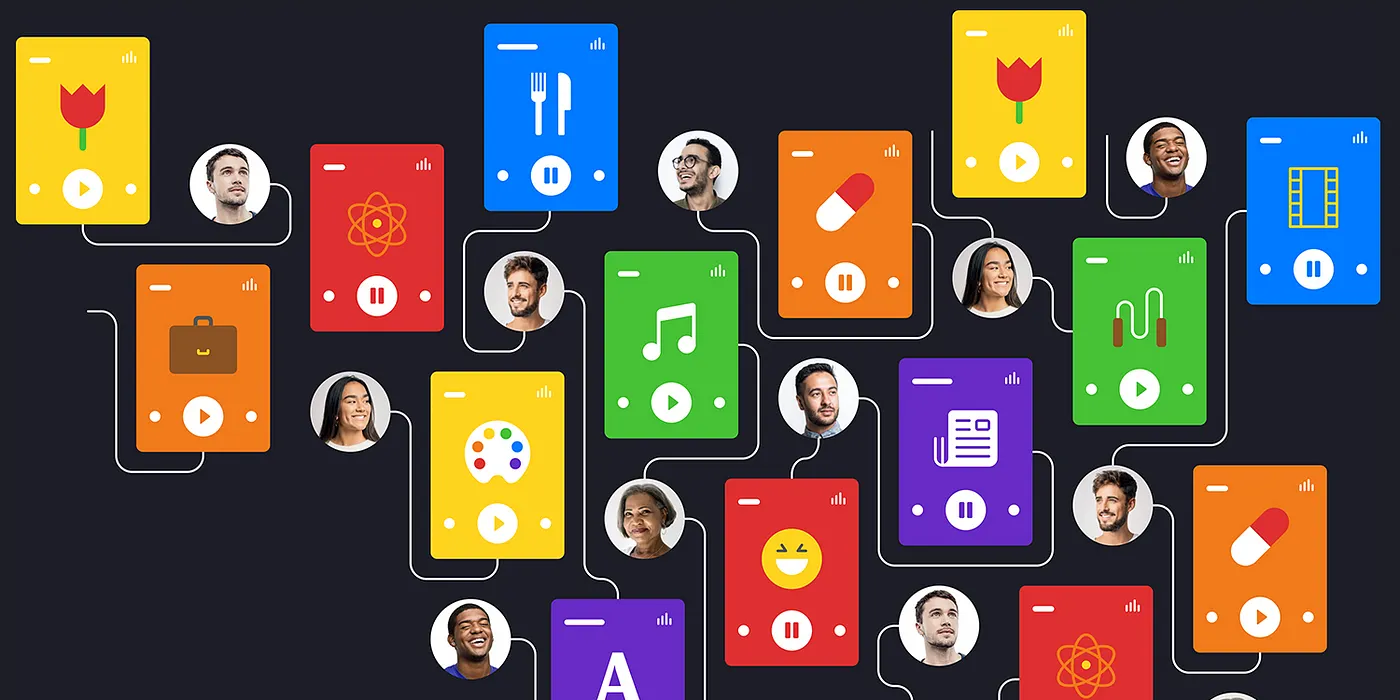
Your brand is not the hero. Your brand is the mentor.
Conclusion
The Enduring Power of a Good Idea
A hundred campaigns is enough to see a dozen trends come and go. But the enduring lesson is this: technology and tactics will always be in flux, but the fundamentals of human connection are timeless.
A clear strategy, an empathetic focus on the audience, a respect for the medium, a disciplined process, and the ability to find the story in the data—these are the principles that have driven success time and again. They are the blueprint. And they will be just as true for the next hundred campaigns as they were for the first.